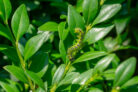
Poor boxwoods—they really can’t catch a break! Their sap is like a magnet for pests, and since the early 2000s, the boxwood spider mite has become a major uninvited guest in our gardens. Interestingly, these pests are thought to have originated right here in North America before spreading globally. If you want to save your hedges from looking like toast, you’re going to have to get to know these little guys.
How to Spot Boxwood Spider Mites
Boxwood spider mites (*Eurytetranychus buxi*) are tiny—and I mean *tiny*. They love hanging out on the undersides of leaves, so unless you’re looking for them with a magnifying glass, you might miss them at first. The females top out at about 0.5 mm, and the males are even smaller. They range from reddish to brownish in color and are surprisingly fast when they’re disturbed. Starting in late May, a new generation hatches roughly every four weeks, so their population can absolutely explode if left unchecked. Plus, the last batch of eggs winters right on the plant, meaning the cycle starts all over again next spring.
Signs of Trouble: What to Look For
Most gardeners notice the damage before they ever see the actual mites. Keep an eye out for these red flags:
- Tiny white or yellowish speckles across the leaf surfaces.
- Damage that starts on just a few leaves or branches before spreading.
- Leaves that eventually turn a reddish or bronze hue.
- Premature leaf drop.
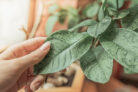
Just a heads-up: these symptoms can sometimes be “scars” from a previous infestation that’s already gone. Before you reach for the spray bottle, double-check the undersides of the leaves to see if there are actually live mites moving around.
Pro Tip:
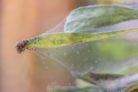
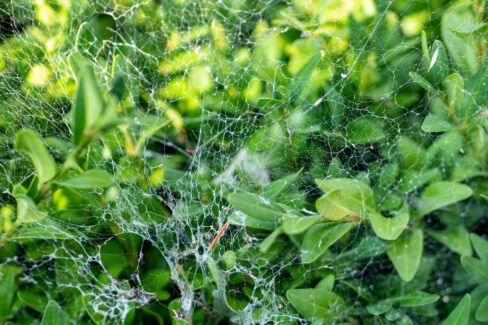
Unlike many other spider mites, the boxwood variety rarely makes those classic webs. If you see your boxwood covered in webbing, you’re likely dealing with the Boxwood Moth. You’ll need to deal with those caterpillars immediately before they strip your plant bare!
Effective Control Methods
In early spring (usually through mid-April), you can treat your boxwoods with horticultural oils like Neem or canola oil. This helps smother the overwintering eggs. Later in the season, insecticidal soaps (potassium salts of fatty acids) are a great way to go. If you prefer a more natural approach, you can release predatory mites (*Typhlodromus pyri*) early in the growing season—they’re like tiny, hardworking hunters that feast on the pests for you.
Prevention is the Best Medicine
Spider mites thrive in hot, dry weather. They absolutely hate rain, and a long wet spell will naturally knock their numbers down. You can use this to your advantage by keeping your garden less “mite-friendly”:
- Make sure your boxwoods get plenty of water.
- Apply a thick layer of mulch to keep the soil moist.
- Use a balanced fertilizer (avoid too much nitrogen, which creates soft growth mites love).
- Pick an airy location with good circulation.
- Give them enough spacing when planting.
- Set up an “insect hotel” to attract beneficial bugs that eat mites.