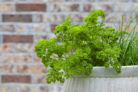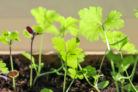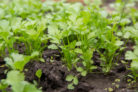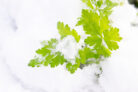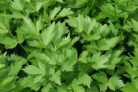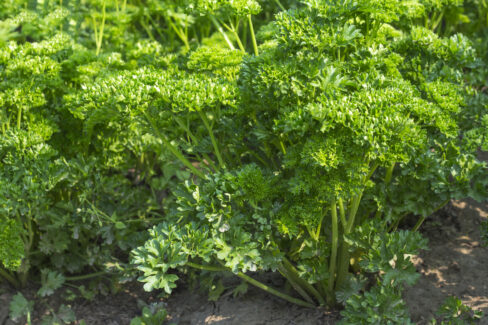
After two years, a parsley plant has pretty much done its job as a kitchen herb, and if you’re growing root parsley, those usually get harvested in their very first year. This means we’re often looking to start fresh. Like most members of the umbellifer family, the best way to get a new generation of plants going is through seeds.
Harvesting Seeds from Your Own Plants
You can always pick up a packet of seeds for a few bucks at the store, but harvesting your own is a fun way to close the loop. To do this, you’ll need to let your plants go to flower. Both leaf and root parsley are biennials, meaning they bloom in their second year. You’ll see flowers popping up in June and July, with seeds ripening by fall. You’ll know they’re ready when they turn dark and practically fall off the stem on their own. Before you tuck them away in a sealed paper bag in a cool, dry spot, let them air-dry indoors for a few days just to be safe.
A Quick Heads-Up:
Parsley is only safe to eat until it starts blooming. Once it flowers, the plant produces toxic apiol. Both the leaves and the seeds contain this harmful substance, so make sure to store your seeds somewhere the kids can’t get to them.
When to Start Sowing
If you want a head start, you can begin sowing seeds indoors as early as February. For direct sowing in your garden beds, wait until March through mid-May—just make sure the soil temperature has reached at least 46°F (8°C). Another great window is in August; planting then actually lowers the risk of pests and diseases.
Location and Soil
For starting seeds on your windowsill, you’ll need a pot with drainage holes, some seed-starting mix, and a bright spot that doesn’t get scorched by direct sun. In the garden, a partially shaded spot is perfect. The soil should be nutrient-rich and slightly alkaline. If your soil is looking a bit thin, mix in some mature compost or horn meal. You want a consistency that stays consistently moist but not soggy—if your soil is too heavy or compacted, mixing in some sand will help with drainage.
One golden rule: follow a four-year crop rotation. If you don’t, you might find that your parsley just won’t grow. Avoid planting it in a spot where parsley or any of its cousins (like carrots or dill) have lived in the last four years.
How to Grow Parsley from Seed
Try to use seeds that are less than three years old, as their germination rate drops off pretty fast after that. Even with fresh seeds, not every single one will sprout, so it’s a good idea to sow a little extra just in case. Be patient! Parsley can take four to six weeks to germinate. Pro tip: soak the seeds in lukewarm water for a few hours before planting to speed things up by about two weeks.
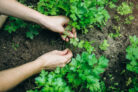
- Loosen the soil and clear out any stones or weeds.
- Scatter the seeds in rows or spread them across the area.
- Try mixing them with radish seeds—radishes sprout fast and act as “row markers.”
- Cover with about half an inch (1-1.5 cm) of soil and give them a good watering.
- Once they’re about 2 inches tall, it’s time to prick them out or thin them.
- Aim for a 4-inch (10 cm) gap between plants.
- Keep about 12 inches (30 cm) of space between parsley and other crops.
Quick Tip:
Plant your parsley as a companion plant alongside onions or garlic. The essential oils from the onions will help keep common pests at bay!