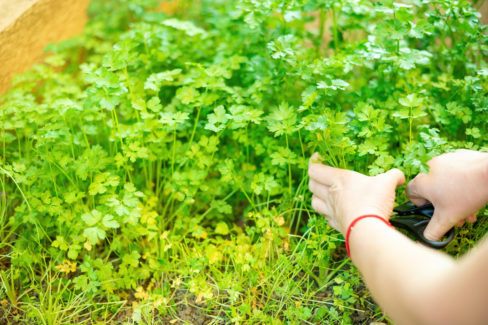
As soon as your parsley starts looking lush and leafy, it’s tempting to just start grabbing handfuls. But hold on a second! If you don’t know the right way to harvest parsley, you might accidentally stunt its growth or stop new leaves from sprouting altogether. Let’s break down the rules for cutting your herbs so your plants stay happy and productive.
When is Parsley Harvest Time?
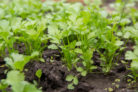
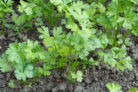
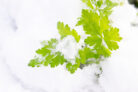
The great thing about parsley is that it’s basically a year-round treat because it’s constantly pushing out new growth. If you’re growing it outdoors, a hard frost will put a temporary pause on your harvest, and indoor windowsill plants might grow a bit slower during those dark winter months, but otherwise, it’s fair game!
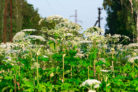
During the first year after sowing your seeds, parsley is 100% edible and delicious. However, things change in the second year. Around June or July, the plant will start to bloom. Once those flowers appear, the plant produces a compound called apiol. At this stage, you should stop eating it, as it can be harmful to your health. Even if you pinch off the flower buds, the apiol is still there, so it’s best to pull those plants and start fresh.
Quick Tip:
You can snip parsley leaves whenever you need them, but if you want the absolute best flavor, try to harvest on a dry morning. That’s when the aromatic oils are at their peak!
How to Harvest Parsley the Right Way
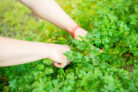
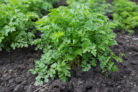
Parsley grows from the center outward. This “heart” of the plant is where all the new life happens, so you have to be careful not to damage it if you want the plant to keep producing.
- Don’t just pluck off individual leaves.
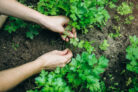
- Cut entire stems close to the ground.
- Cutting low actually encourages the plant to grow back thicker.
- Start with the outer stems—they have the biggest leaves.
- Always work from the outside in.
- Leave the center (the heart) untouched.
- Only harvest from healthy, vibrant plants.
From Garden to Pot
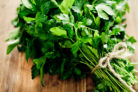
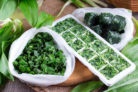
Fresh parsley doesn’t have a very long shelf life once it’s cut. My advice? Don’t reach for the shears until you’re actually ready to use it. If you end up with a massive haul, freezing is your best bet for preserving that fresh taste. Drying parsley usually results in it losing most of its signature aroma.
Feeding Your Parsley for the Best Flavor
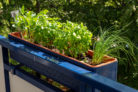
Parsley is a hungry plant! To keep it growing “kitchen-ready,” make sure your soil is nutrient-rich. Before planting, mix in some natural fertilizers like mature compost or bone meal to keep things organic. For potted plants, a liquid organic fertilizer works wonders. Just a heads-up: stop fertilizing shortly before a big harvest so the flavor stays pure and punchy.
Saving Seeds for Next Year
If you want a never-ending supply of parsley, annual sowing is the way to go. While seeds are cheap to buy, you can also harvest your own. Just let one of your older plants go to flower and develop seeds by autumn. Bonus: the local pollinators will love the blossoms!
Note:
Store your harvested seeds in a cool, dry place and keep them away from kids. Just like the flowering plant, the seeds contain high levels of apiol and are toxic if eaten.
Harvesting Root Parsley
If you’re growing parsley specifically for the roots, patience is key. They need the whole season—from spring to fall—to size up and develop that deep, savory flavor. You can dig them up one by one as needed starting in the fall. However, before the ground freezes solid, make sure to lift the remaining roots with a garden fork and store them in a cool, frost-free spot indoors.