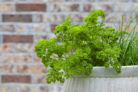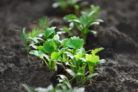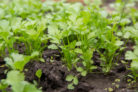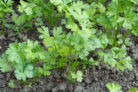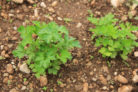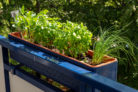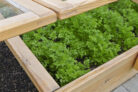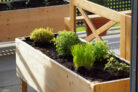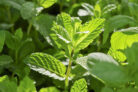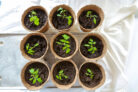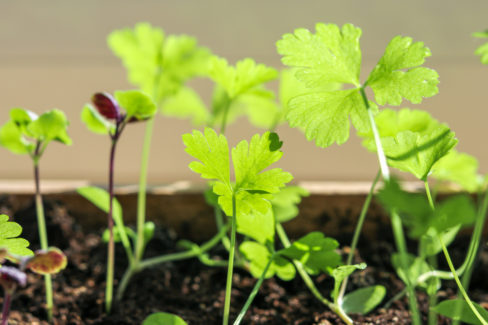
Growing your own parsley starts with a little bit of seeds and a whole lot of patience! Whether you’re starting them in a garden bed or in a sunny pot on your windowsill, parsley takes its sweet time to sprout. But trust me, that fresh, homegrown flavor is totally worth the wait—as long as you give your seeds the right “bed and breakfast” treatment.
The Perfect Spot and Soil
Parsley isn’t a fan of the scorching midday sun; it much prefers a spot with partial shade. When it comes to soil, think “rich and fluffy.” If your garden soil is looking a bit thin, mix in some mature compost or organic fertilizer like horn meal. The goal is a soil that holds onto moisture but still drains well. Parsley is a bit of a Goldilocks—too dry or too soggy, and those leaves will start turning yellow. If your soil is heavy clay, definitely mix in a good helping of sand to help it breathe.
Pro Tip:
Parsley is surprisingly picky about its neighbors—and its history! It doesn’t like to grow where it (or its cousins like carrots and dill) has lived recently. Make sure you aren’t planting it in a spot that’s hosted any members of the Umbellifer family in the last four years.
When to Get Planting
If you’re growing indoors, you’ve got the warmth factor covered year-round. Once the days start getting longer and brighter, you’re good to go—usually anytime from February through August. For outdoor gardening, timing is everything:
- Spring Window: March to mid-May. Just make sure the soil has warmed up to at least 46°F (8°C).
- Late Summer Window: August is actually a great time to sow. There’s usually less risk of pests and diseases later in the season.
- Fall: If you have a cold frame, you can even try a late autumn sowing.
Pro Tip:
Parsley is a biennial, but once it starts flowering in its second year, it’s done for (and no longer tasty). To keep your kitchen stocked, I recommend sowing fresh seeds every single year.
Parsley Seeds: The Deep Sleepers
You can harvest seeds from your own plants, but honestly, parsley seeds are so cheap and easy to find at any garden center that most folks just buy them. Just a heads-up: keep them away from the kiddos, as the seeds themselves are toxic. Also, keep in mind that their germination rate drops after about three years.
Unlike many other herbs, parsley seeds are not light-germinating. They need darkness to wake up! You’ll want to cover them with about half an inch (1-2 cm) of soil.
- Mix the tiny seeds with a bit of sand to make them easier to handle.
- Scatter them across an area or plant them in rows about 6 inches apart.
- Try a “Marker Crop”: I love planting parsley in a companion planting setup with radishes. The radishes pop up fast, showing you exactly where your slow-poke parsley is supposed to appear!
The Waiting Game
Once the seeds are in the ground, keep the soil consistently moist and keep those weeds at bay. You’re looking at a 4 to 6-week wait before you see any green (though it’s a bit faster in a warm house). If you’re impatient like me, try soaking the seeds in water for a few hours before planting to speed up the germination time. Just remember: parsley seeds rarely sprout all at once or with 100% success, so always sow a few more than you think you’ll need.
Thinning and Pricking Out
Even though parsley grows slowly at first, these plants need their personal space. They’re happiest with about 4 inches (10 cm) between them. Once your seedlings are about 2 inches tall, it’s time to thin them out. If you started yours indoors, wait until they’re about 3 inches tall before hardening them off and moving them outside.