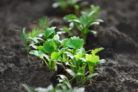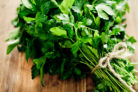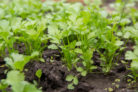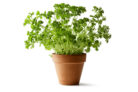
Most of us grow parsley for the kitchen, but did you know that pruning it actually helps the plant thrive? To keep your parsley happy and productive, you’ve got to know exactly where to snip. If you get too aggressive or cut the wrong spot, your harvest might end sooner than you’d like!
Cutting Back Promotes Growth
Think of it this way: for every stem you cut, your parsley plant will usually sprout at least one or two new ones. Regular harvesting actually encourages a bushier plant and ensures you have a steady supply of greens all season long. So, don’t be shy—snip away! If you have more than you can use right now, you can always freeze it for later.
Rules for a Long Harvest
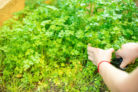
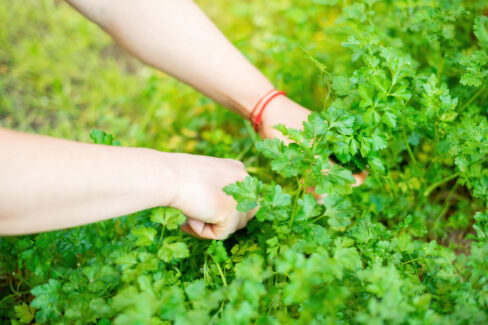
Once a stem has at least three pairs of leaves, it’s ready for the kitchen. Here’s how to harvest like a pro:
- Don’t just pluck off individual leaves.
- Cut the entire stem close to the ground.
- Always pick the oldest leaves first.
- Work from the outside of the plant toward the center.
- Use a sharp, clean pair of scissors or a knife.
Pro Tip:
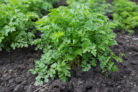
Whatever you do, leave the “heart” (the very center) of the plant alone. This is the growth point; if you cut the heart, the whole plant will die off.
Harvesting Second-Year Parsley
Parsley is technically perennial (or biennial), but its life as a culinary herb usually ends in its second year. Once it starts blooming in June or July, the leaves fill up with apiol, a compound that isn’t good for humans to consume. Even if you pinch off the flower buds, the plant will still produce it. At this point, it’s best to pull the plants up or let them flower so you can collect the seeds. To keep your spice rack stocked, I recommend sowing new seeds every single year.
Wait Until the Last Minute to Cut
Fresh parsley wilts fast and loses its punch once it’s cut. For the best flavor, wait to harvest until right before you’re ready to cook. If you’re in a pinch, you can wrap the stems in a damp paper towel and pop them in a plastic bag in the fridge—they’ll stay fresh for about 3-4 days that way.
Prepping Parsley in the Kitchen
Before you start chopping, give your parsley a good rinse to get rid of any dirt or tiny garden hitchhikers. Shake off the excess water or pat it dry with a paper towel. From there, pluck the leaves off the stems. You can leave them whole for a pretty garnish or chop them up for recipes. A heavy chef’s knife or a rocking herb mincer (mezzaluna) makes quick work of this!
Quick Tip:
To keep your herbs healthy and tasty, stick to organic fertilizers and avoid harsh chemicals. You can read more about fertilizing parsley here.
Dealing with Sick Plants
If you notice yellow leaves or a few stems covered in aphids, snip them off immediately and toss them in the trash (not the compost!). However, if the whole plant looks sickly or infested, it’s usually better to just pull it out and start fresh.
When to Give it a Major Haircut
You don’t really need to prune parsley in the fall because the plant naturally retreats into its roots for the winter. That said, it’s a great time to harvest all the remaining green stems to freeze for winter use. A big “clearance” harvest is also a smart move before you head off on a long vacation or right before the plant starts to bolt in its second year.