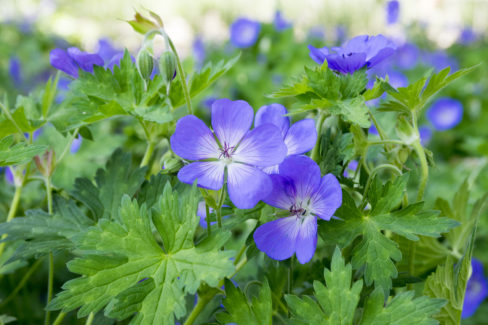
If you’re looking for a low-maintenance, hardy plant to fill in those gaps in your garden, you can’t go wrong with Cranesbill (Geranium). While many varieties stay low to the ground as classic groundcovers, the “Rozanne” hybrid is a bit of a superstar. This variety grows a little taller and loves to weave its way through bushes or climb up neighboring perennials.
Everything You Need to Know About ‘Rozanne’
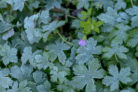
This vigorous grower has deep roots, but above ground, it sends out creeping runners that can reach up to 60 inches long. It quickly forms lush, bushy mounds that are perfect for hiding bare spots in your flower beds. One of my favorite things about ‘Rozanne’ is how it likes to mingle—it’ll happily wind its way into rose bushes or scramble up the stems of smaller shrubs. From May all the way through November, you’ll get a non-stop show of large, 2-inch violet-blue flowers. Because it’s such a prolific bloomer, it’s a fantastic choice for any perennial bed where there’s plenty of room for it to spread out.
Location, Soil, and Care
‘Rozanne’ is happiest in a spot that gets full sun to partial shade. For the best results, give it soil that is rich in nutrients, loamy, and stays slightly moist. Just a heads-up: make sure the area drains well! Like many garden favorites, ‘Rozanne’ doesn’t like “wet feet” (standing water). During those hot, dry summer months, give it a drink regularly, but don’t overdo it.
How to Propagate Your ‘Rozanne’ Geranium
Since ‘Rozanne’ is a hybrid, it usually doesn’t produce seeds. That means if you want more of them, division is the way to go. The best time to do this is in the spring. Here’s how you do it:
- Carefully dig up the established mother plant using a garden fork.
- Try your best not to damage the root system as you lift it.
- Shake off any loose excess soil so you can see what you’re working with.
- Trim away any damaged or unhealthy-looking roots.
- Divide the root ball into two or more sections.
- You can usually pull the plant apart gently by hand. If it’s being stubborn, a quick, clean slice with a sharp spade will do the trick.
- Just make sure every new section has a good set of roots and at least a few shoots.
- Replant your new divisions in their new homes and give them a good watering to help them settle in.