Ever noticed those big, plump seed pods forming on your Amaryllis after the flowers fade? Inside those pods are dark, papery seeds just waiting to become brand-new plants! Growing your own “Ritterstern” (as we sometimes call them) from scratch is a super rewarding project. With a few simple tricks, you’ll be a pro at propagating these beauties. Here’s everything you need to know about harvesting and sowing your Amaryllis seeds.
How to Harvest Your Amaryllis Seeds
About two months after pollination, you’ll see a large, unmistakable seed head rising above the withered blooms. Each fruit actually has three separate chambers packed with flat, black seeds. You’ll know they’re ready for harvest when the capsules start to split open, giving you a little peek inside.
Here’s the best way to collect them:
- Pop on some gardening gloves and grip the base of the pod with two fingers.
- Gently snap the capsule off to the side.
- Carefully peel back the outer casing.
- Remove the seeds one by one.
Let the Seeds Dry Out
Once you’ve gathered your seeds, place them in a clean bowl or tray to dry for about two days. Be extra gentle during this step—you don’t want to damage the delicate inner part of the seed wings!
Fresh is Best for Germination
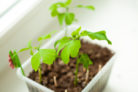
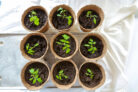
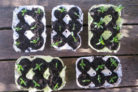
If you want the best results, try to sow your seeds within a week of harvesting. The fresher they are, the higher the germination rate, so don’t let them sit around for too long! For the perfect soil mix, I recommend a blend of cactus soil and coconut coir. Since these seeds need light to sprout, don’t bury them deep—just cover them with a very thin layer (about 1/4 inch) of vermiculite or plain sand. Give them a gentle misting with a spray bottle and cover the tray with a clear plastic dome to keep the humidity in. Keep them in a warm spot around 72°F (22°C), and you should see little sprouts popping up in two to three weeks.
No Pollination, No Seeds!
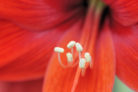
Keep in mind that your Amaryllis won’t produce any seed pods without successful pollination. Since our houseplants don’t usually have bees or butterflies buzzing around the living room, you’ll have to play nature’s helper! It’s easy: around the third day of blooming, take a regular cotton swab, pick up some of the yellow pollen, and dab it onto the white stigma (the center part of the flower).