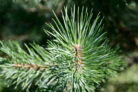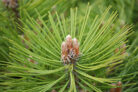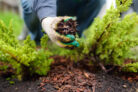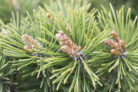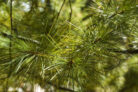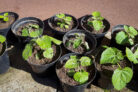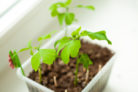
Growing your own pine tree from seed takes a good bit of patience and a little bit of luck. Honestly, buying a sapling from a nursery is definitely the “easy route” if you want guaranteed results. But there’s something incredibly rewarding about watching a tiny seed you planted turn into a majestic pine tree. If you’re up for the challenge, here’s how to do it!
How to Harvest Your Own Pine Seeds
There are over 100 different species of pine trees across the globe. You can easily buy seeds online or at a local garden center, but it’s much more fun to forage them from local trees. To do this, you’ll need to collect pine cones. Most of the time, you’ll find them tightly closed, holding onto their seeds for dear life. Don’t worry, though—there’s an easy fix for that.
Just place the pine cones near a heater or another warm spot in your house. The heat mimics a dry spell, causing the scales to open up. Once they pop open, the seeds will fall out on their own. After that, you just need to prep them for planting.
The Secret to Testing Your Seeds
Let’s be real: not every seed is a winner. To save yourself some time and frustration, you can run a quick “float test” to see which ones are viable. Drop your seeds into a bowl of lukewarm water. If they float, they’re likely duds and you can toss them. The seeds that sink to the bottom are the ones with the best chance of sprouting!
Prepping Your Seeds for Success (Stratification)
If you want to seriously boost your germination rates, you need to trick the seeds into thinking they’ve just gone through a cold winter. This process is called stratification. Here’s the easiest way to do it: wrap your seeds in a damp linen cloth or paper towel and pop them into a plastic bag.
Place the bag in the refrigerator (aim for about 40°F or 5°C). Pro tip: stick a drinking straw into the bag so it peeks out the top—this ensures the seeds get enough oxygen while they “hibernate.” After this cold treatment, the seeds will be primed and ready to sprout. Once they’re ready, plant them in a starter pot with good soil, and before you know it, you’ll be ready to transplant your little pine into the great outdoors!