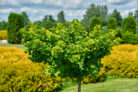
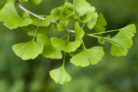
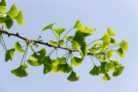
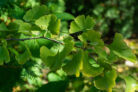
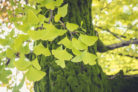
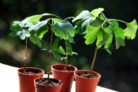
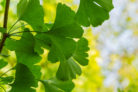
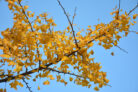
The Ginkgo tree is often called a “living fossil,” and for good reason! It’s the sole survivor of an ancient lineage whose relatives died out millions of years ago. This incredible toughness is exactly why it’s such a cool choice for home gardeners, whether you’re planting it in the yard or keeping it in a container.
Growing Ginkgo in Pots
One of the best ways to enjoy a Ginkgo is by growing it in a pot or planter. One “pro tip” to keep in mind: Ginkgos are dioecious, meaning there are separate male and female trees. You definitely want to stick with male plants for your patio, because the females produce fruit that smells pretty unpleasant once it drops.
Not every variety is a good fit for container life, either. If you’re planning on pot culture, make sure you choose a dwarf or slow-growing cultivar. Otherwise, this prehistoric giant will outgrow its home in just a few short years!
Winter Care for Potted Ginkgos
Generally speaking, Ginkgos are very winter-hardy. However, they do need a little extra TLC during their first few years of life, whether they are in the ground or in a pot. For container-grown trees, winter protection is a must. Because the roots are more exposed in a planter than they would be in the ground, they can suffer permanent damage or even die if they freeze solid.
Here’s my quick guide to winterizing your potted Ginkgo:
- Elevate the pot by placing it on a 1-inch thick piece of wood or Styrofoam.
- Wrap the pot itself in an old blanket, burlap sacks, or bubble wrap.
- Cover the top of the soil as well.
- Make sure the covering goes right up to the trunk.
- Leave a small gap so you can still water it.
I usually lay the winter protection right on the soil surface and weigh it down with a few stones. Aside from root frost, the biggest “Ginkgo killer” in winter is actually dehydration. Low humidity and freezing winds can dry out the soil fast, so make sure to give your tree a little drink of water every now and then throughout the winter.
Ginkgo as a Houseplant
Believe it or not, the Ginkgo also makes for a stunning houseplant, though it does require some specialized care indoors. While you can technically keep a potted Ginkgo inside year-round, it’s a bit sensitive. These trees really need a dormant period (a “winter break”) to stay healthy; without it, they become much more prone to pests and diseases.
If you’re growing one inside, give it a very bright spot during the summer—right by a sunny window or in a sunroom is perfect. Again, stick with the dwarf varieties here. To ensure it gets its necessary rest, move the plant to a bright but cool spot (no warmer than 50°F or 10°C) during the winter months.