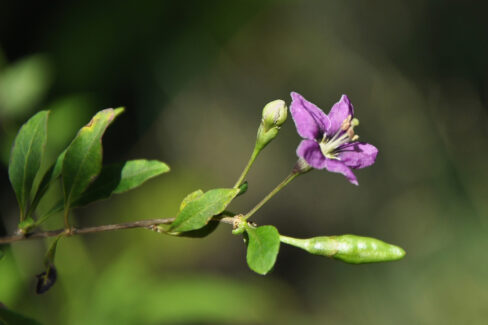
At first glance, the goji berry bush might look like a pretty low-key shrub, but that all changes once it starts to bloom! If you’ve got one of the high-yield cultivated varieties, your garden is in for a treat—these bushes get absolutely covered in gorgeous, decorative flowers during the blooming season.
What do goji berry flowers look like?
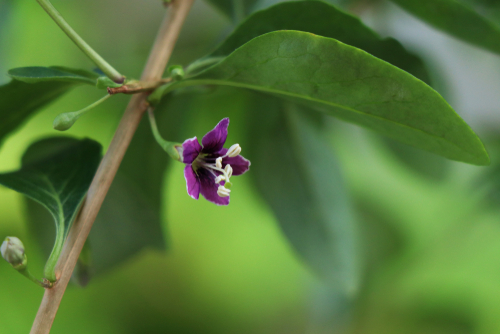
Goji berry blossoms are a stunning, vibrant purple that really pops against the lush green foliage. They have a distinct funnel shape with long stamens poking out, tipped with bright yellow pollen. One of the best things about gojis is that they are self-fertile, meaning they don’t strictly *need* a partner to produce fruit. However, if you plant a few bushes near each other, you’ll usually see a much better harvest thanks to improved cross-pollination.
When is the goji berry blooming season?
You can usually expect to see those first delicate purple flowers by July at the latest. If you’ve got your bush in a super sunny spot and the weather is playing nice, they might even start a bit earlier. The blooming period typically lasts through August, and if it’s a particularly warm summer, you might even see flowers into September. Once the flowers do their thing, the harvest season kicks off around mid-August and usually lasts for about 6 to 8 weeks.
Why isn’t my goji berry bush blooming?
It can be a total bummer when your goji berry refuses to bloom. If your bush is looking a little shy, it’s usually due to one of these common culprits:
- The shrub is still too young
- It hasn’t been pruned lately
- You’re over-fertilizing
- You’ve got the wrong variety
Patience is key with gojis—they usually won’t bloom until their third year in the ground. Regular pruning is also a must; not just to keep the bush looking tidy, but because those long, wild branches actually produce fewer flowers over time. Also, be careful with the fertilizer! If you give them too much nitrogen, the plant puts all its energy into growing leaves and “forgets” to make flowers. Lastly, keep in mind that wild varieties tend to bloom very sparsely and aren’t really meant for eating anyway.