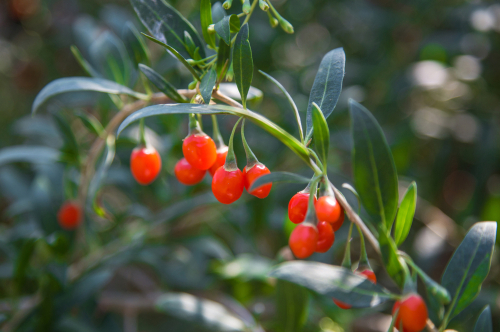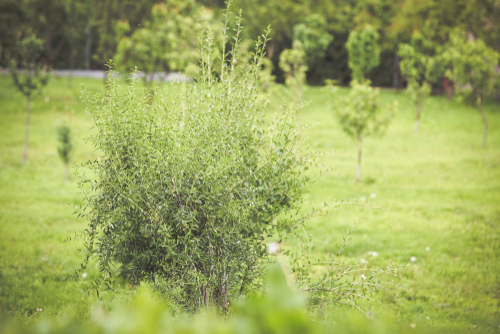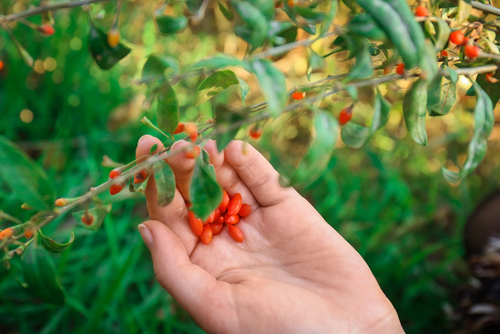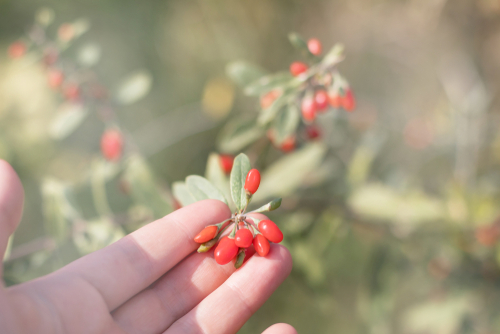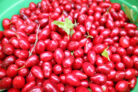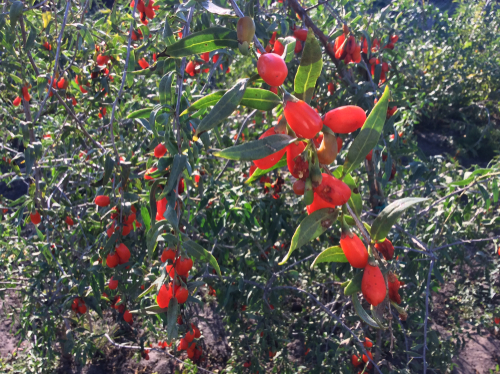
Goji berries are surprisingly easy-going and low-maintenance plants. In fact, they’re so hardy that you can sometimes spot them growing wild along roadsides! However, if you want a bountiful harvest, there are a few things they really appreciate. Let’s dive into what makes these superfood shrubs happy.
Finding the Perfect Spot for Your Goji Berries
If you pick the right location from the start, caring for your goji berry (also known as Wolfberry) becomes a total breeze. Once the plant hits its third year, it should start rewarding you with plenty of flowers and fruit. Here’s what your goji berry is looking for in a home:
- Tons of light and direct sun,
- Plenty of warmth,
- Good airflow (but try to avoid super windy, exposed spots),
- Moist soil that doesn’t get “wet feet” (no standing water!), and
- Loose, well-draining soil.
It’s also a great idea to mix some compost into the soil before planting. If you decide to use a berry fertilizer later on, make sure it’s low in nitrogen. While nitrogen is great for leafy growth, too much of it will actually stop your plant from producing those beautiful flowers and berries we’re after.
If you’re growing gojis in containers, the same rules apply. Just make sure you choose a nice, large pot because these roots love to spread out. On the flip side, keeping them in a container is actually a clever way to keep their vigorous growth in check. Some gardeners find gojis a bit *too* enthusiastic in the ground, so a pot is a perfect “boundary.”
Giving Young Plants a Little Extra Love
Once they’re established, goji berries are incredibly cold-hardy, surviving temperatures as low as -13°F (-25°C). That’s pretty impressive! However, youngsters and potted plants aren’t quite that tough yet. For their first few winters, or if they’re in containers, you’ll want to protect them. Bring them into a sheltered spot or wrap them up with some mulch, brushwood, or garden fleece to keep them cozy until spring.