Goji berries are definitely one of those plants that *need* a regular haircut. If you don’t stay on top of it, you’ll quickly find yourself overwhelmed! These shrubs love to spread out and grow at lightning speed. Here’s everything you need to know to keep yours in check.
Why Pruning is a Must
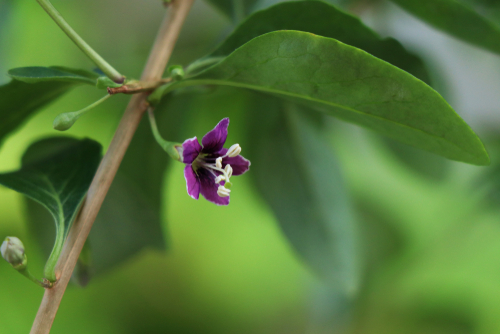
Of course, we all want our gardens to look tidy, and since goji berries can get pretty unruly, pruning helps keep things looking sharp. But it’s not just about aesthetics. Regular trimming is vital for the plant’s health and ensures you get a massive harvest. Plus, it encourages the plant to produce way more flowers.
If you let your goji berry go wild, it becomes a prime target for powdery mildew. Keeping the branches thinned out is a great way to prevent this and other diseases. Also, keep in mind that an overgrown shrub will try to take over your yard by spreading through suckers and runners.
When Should You Prune?
Unlike some fruit trees that you let grow tall before the first cut, goji berries need attention right from the start. You want to keep them disciplined while they’re still young. Generally, the best time to prune your Wolfberry (another name for the goji) is in the fall. At this point, the plant is full of energy and the soil is usually nice and moist. Aim to cut the shoots back to about 24 inches (60 cm).
Training Your Goji Berry into a Shrub
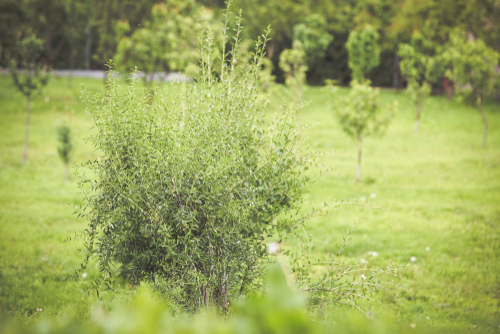
In the wild, goji berries don’t actually grow like upright bushes; they tend to crawl along the ground and spread out across open spaces. That’s not exactly ideal for a backyard garden! To keep yours compact and manageable, you’ll want to “train” it like this:
- Year One: Cut the plant back to about 8 inches (20 cm) in height.
- Year Two: Select five or six strong shoots and keep them at a length of about 24 inches (60 cm).
- Year Three and beyond: Perform a maintenance and shaping prune every two years as needed.
Pro Tips for a Healthy Harvest
Keeping your shrub trimmed isn’t just about size; it’s about airflow. Good circulation helps the leaves dry off quickly after a rainstorm, which is your best defense against fungal issues. It also allows the plant to focus its energy on growing juicy berries rather than just more leaves.
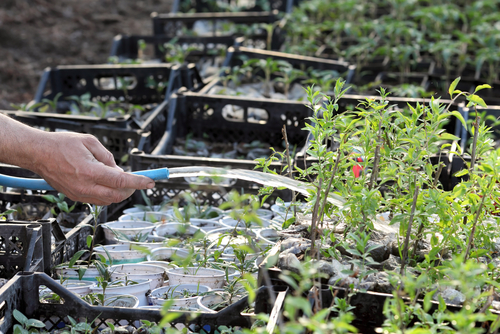
By the way, don’t let those clippings go to waste! You can use the trimmings for propagation by turning them into cuttings. If you notice runners or suckers spreading away from the main plant, you can simply chop those off with a sharp spade and transplant them elsewhere.
One last tip: if you don’t want to be out there with your shears every weekend, take it easy on the fertilizer. Too much fertilizer—especially the nitrogen-heavy stuff—will make the plant grow like crazy. A little compost every now and then is perfectly fine, though; it’s great for boosting your fruit yield!