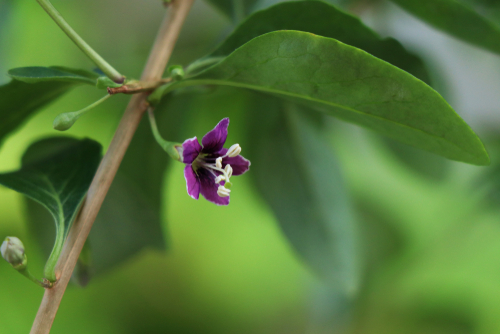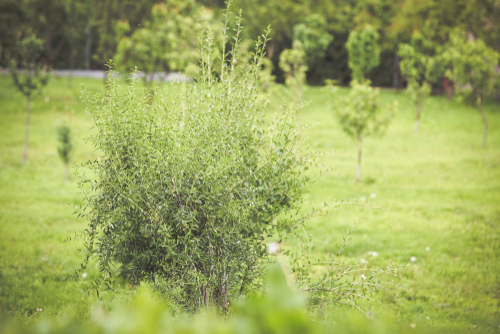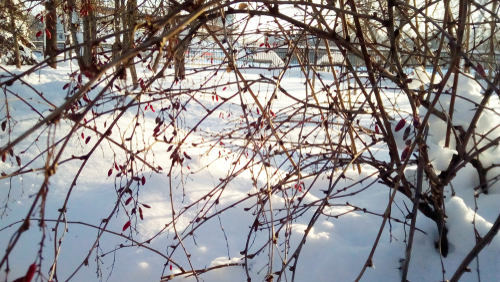
Goji berries are generally pretty tough customers when it comes to winter. That goes for most varieties we grow in our backyards, too. However, there are a few exceptions to the rule. Here’s the lowdown on how to keep your goji berries happy and healthy until spring.
Older plants are total pros
Once a goji berry plant is fully established—usually by its second or third year—it can handle some seriously icy weather. We’re talking temperatures as low as -13°F (-25°C) without breaking a sweat. Since we rarely see it get colder than that, you usually don’t have much to worry about with mature plants. Just a quick tip: don’t forget to give them a little drink of water every now and then during the winter months. You don’t want them drying out during long dry spells!
Young plants need a little extra TLC
If your plants are still young or freshly started, they haven’t quite built up their winter muscles yet. To be safe, it’s best to move them to a protected winter spot. Aim for somewhere bright but not too warm. A good rule of thumb is that once your goji berry starts flowering and fruiting, it’s usually ready to face the frost on its own.
If you have young plants already in the ground, wrap them up in some garden fleece and mulch the base with some brushwood or evergreen branches. To give them the best head start, try to plant your goji berries in the spring. This gives them plenty of time to establish a strong root system before the first frost hits. When picking a spot, look for somewhere that is:
- Bright and sunny,
- Sheltered from harsh winds, and
- Nice and warm.
Wintering goji berries in containers
Potted goji berries are the other big exception to the “winter-hardy” rule. Because their roots are more exposed in a container, they aren’t naturally frost-resistant and need a bit of help. For the first few years, it’s smartest to bring the pot indoors to a cool, bright room. Once they’re older, you can leave them outside, but move the pot against a sheltered house wall and place it on an insulating mat (like wood or styrofoam). Wrap the pot itself in garden fleece and top the soil with some brushwood or extra mulch for insulation.