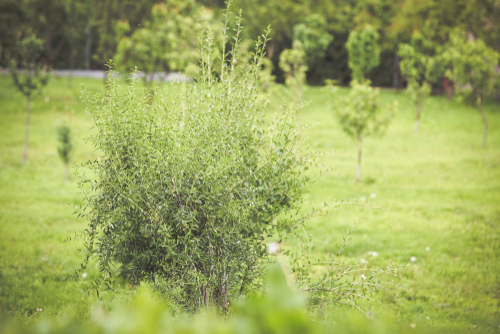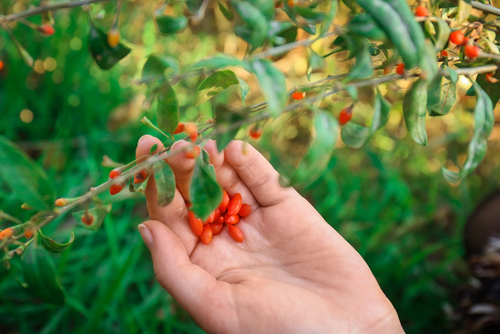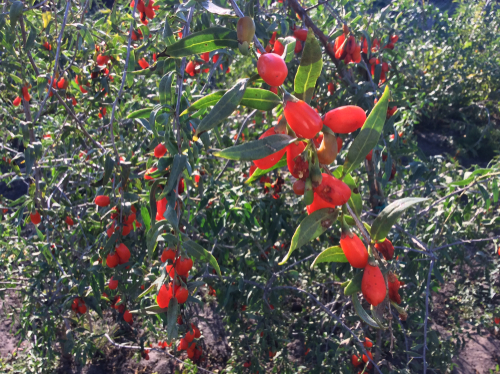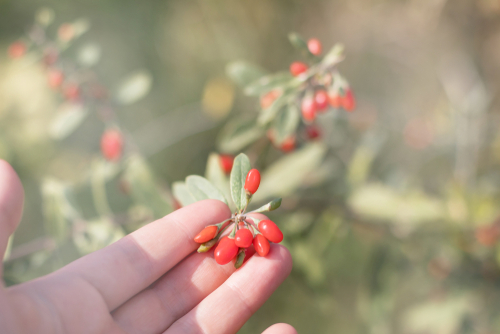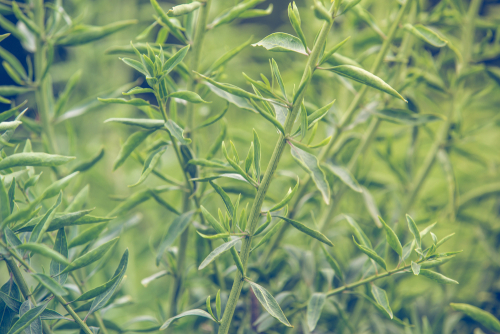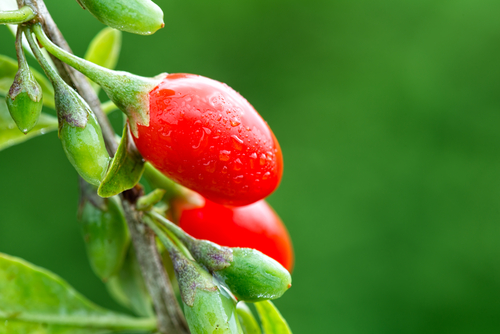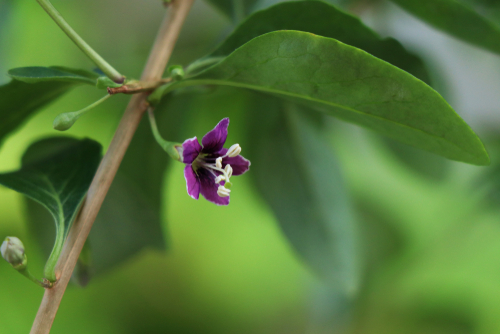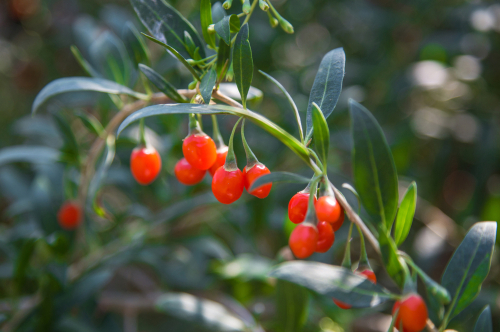
In a nutshell, the Goji berry is a pretty low-maintenance plant that doesn’t ask for much but gives back a massive harvest in return. However, a little TLC—especially a regular pruning routine—is essential if you don’t want your shrub to turn into a wild, tangled mess. Here is everything you need to know about keeping your Goji berries happy and healthy.
Watering Your Goji Berries the Right Way
The Goji berry (also known as Wolfberry or Boxthorn) absolutely hates “wet feet.” Because it can’t stand waterlogging, you don’t want to get too overzealous with the watering can. Generally, you only need to give it a drink during those scorching, bone-dry summer days. If you’re growing your Goji berries in containers, you’ll obviously need to water more frequently. Just make sure your pot has excellent drainage—standing water is a recipe for disaster for these plants.
Pruning and Fertilizing Your Goji Berries
Since Goji berries grow incredibly fast and tend to sprawl, you’ll need to get comfortable with your pruning shears. In the very first year, I recommend cutting the shrub back to about 20 inches (50 cm) to encourage a nice, compact shape. The best time to prune is in the fall, once the harvest is over and the soil is naturally moist.
When it comes to feeding, Goji berries are fast growers even without extra fertilizer. Be especially careful with nitrogen-heavy fertilizers; while they’ll make the plant grow like crazy, it usually happens at the expense of flowers and fruit. A good layer of compost in the spring is really all the “food” they need.
Protecting Goji Berries from Pests and Disease
For the most part, Goji berries are tough cookies. They are quite robust and can hold their own against most garden drama. However, they aren’t totally invincible. There are two main culprits you should keep an eye out for:
- Goji Gall Mites
- Powdery Mildew
If you spot gall mites, you might need to consult a pro for a sulfur treatment. If powdery mildew strikes, the best fix is actually a radical pruning. Don’t worry about being too aggressive—Goji berries recover from a heavy cut surprisingly fast! The key is regular pruning to ensure good airflow, which is your best defense against pests and diseases in the first place.
Winter Protection for Your Goji Berries
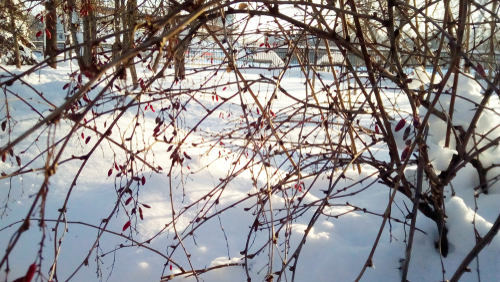
If your Goji berries are planted directly in the ground, they are incredibly cold-hardy. They can handle temperatures dropping below -4°F (-20°C) without breaking a sweat. However, if you’re growing them in pots, they need a little extra help to survive the freeze. Here’s how to winterize your container plants:
- Move the pot against a sheltered house wall.
- Wrap the container in bubble wrap or burlap.
- Place the pot on an insulating base, like a piece of Styrofoam.
- Protect the soil surface with a layer of bark mulch and evergreen branches.