title: When Do Goji Berries Bloom?
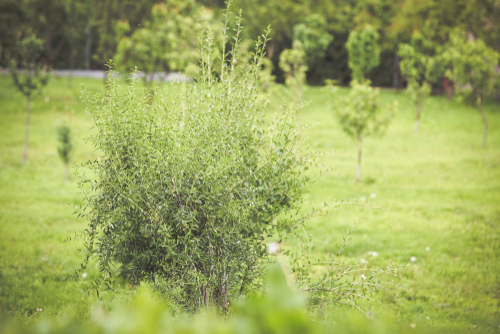
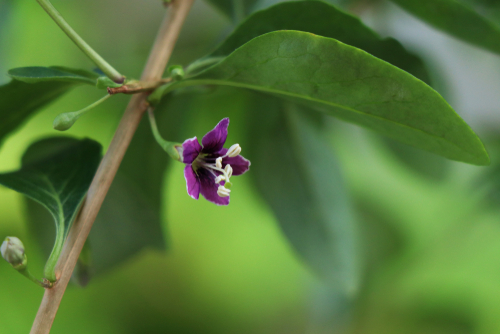
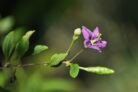
Most of the year, the Goji berry plant is a pretty low-key addition to the garden, but it really shines during its blooming phase with those beautiful purple flowers. Before the plant starts pumping out its famous superfood berries, you get to enjoy a lovely summer floral display.
When is the Goji berry blooming season?
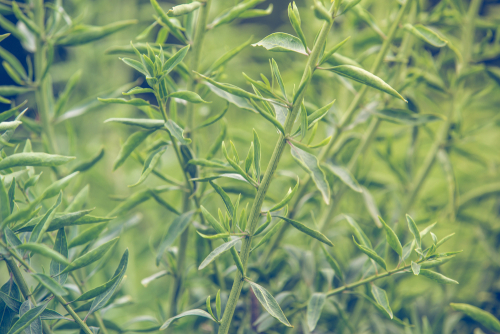
In most temperate climates, Goji berries show off their blossoms on long, arching branches from July through August. Depending on your location and how much the weather cooperates, you might even see flowers popping up as early as June or sticking around until September.
You might also hear these hardy plants referred to as:
- Common Matrimony Vine
- Chinese Wolfberry
Do Goji berries need special care while blooming?
If you want a lush bloom and a heavy harvest, the secret is well-draining soil. If your garden soil is a bit heavy, try mixing in some fine gravel or coarse sand to loosen things up. Keep in mind that Goji berries usually take until their third year to start producing a significant amount of fruit. To get them there, you’ll want to stick to a simple routine:
- Regular pruning
- An annual dose of compost for fertilizing
- Making sure they never sit in standing water
Goji berries are actually pretty low-maintenance. They don’t need extra fertilizer during the blooming period as long as you’ve given them their yearly compost. If you use a commercial berry fertilizer, be careful not to overdo it—too much nitrogen can actually cause the plant to produce fewer flowers or stop blooming altogether.
When it comes to water, they are surprisingly drought-tolerant. You don’t need to water them constantly, even in the summer. Only during a long, intense heatwave should you give them a little drink in the mornings and evenings.
When can you harvest Goji berries?
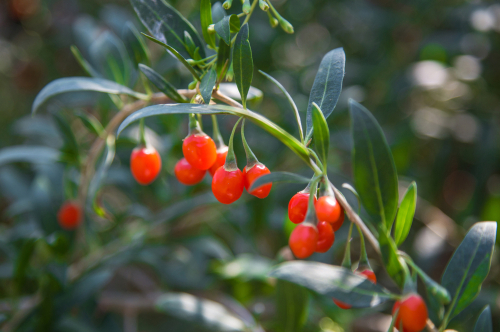
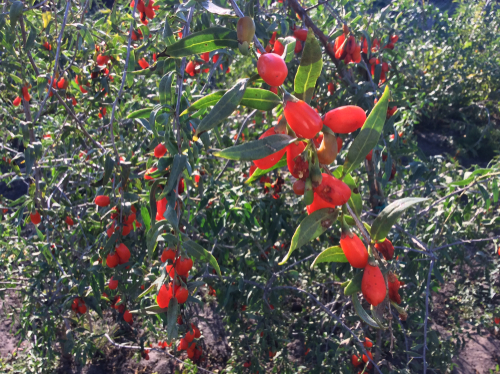
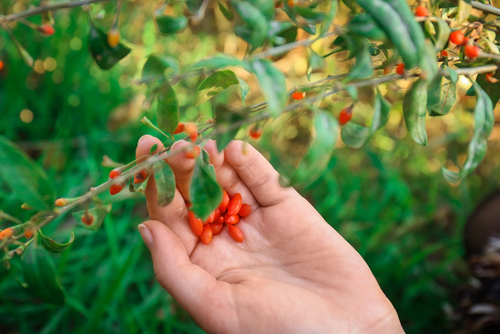
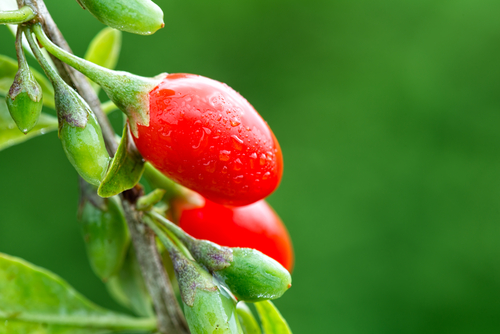
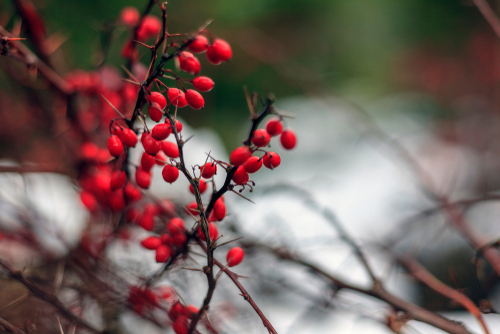
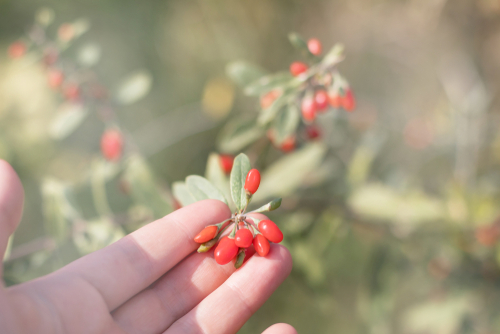
As the flowers fade, the harvest season begins. You can usually expect the first ripe berries around August, with the peak ripening happening in September. Let those bright orange-red fruits hang on the vine long enough to develop their full sweetness. Just make sure to pick the last of the crop before the first frost hits!