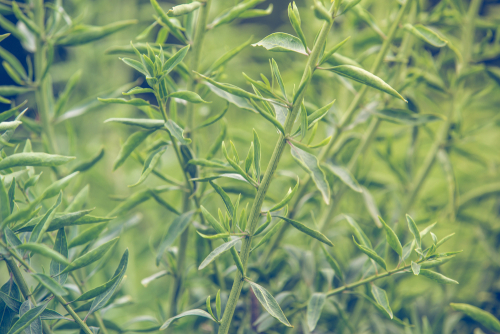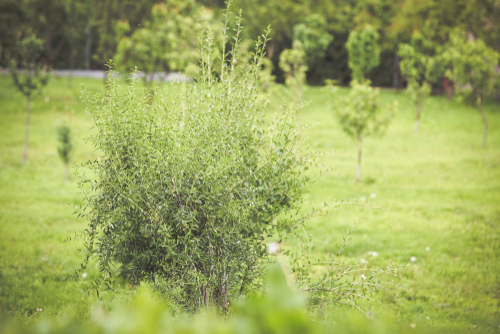
You’ve probably seen dried goji berries at your local health food store or organic market. These little berries from the Far East are famous for being a nutritional powerhouse, but they often come with a hefty price tag and, unfortunately, can sometimes be treated with pesticides. The good news? You can skip the expensive store-bought bags and grow your own goji berries right at home! Here is everything you need to know about bringing this superfood to your backyard.
What’s the Deal with Goji Berries?
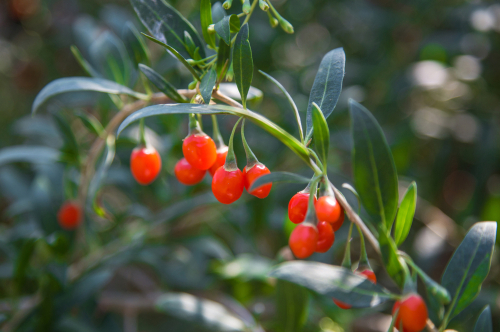
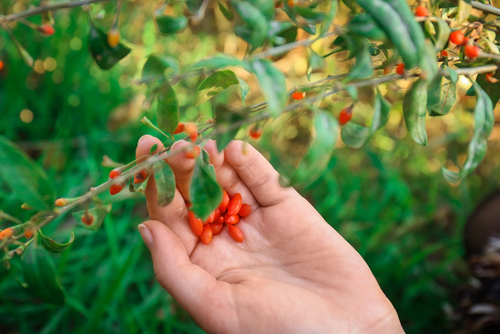
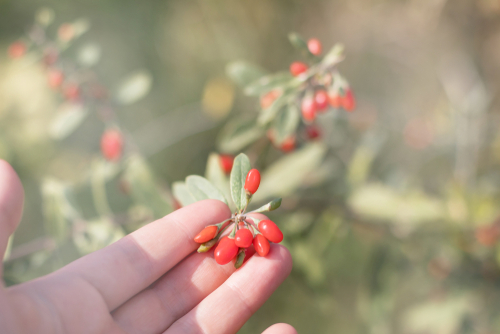
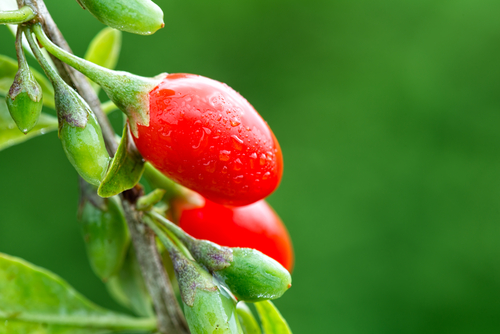
Goji berries, also known as wolfberries, are small, oblong fruits with a vibrant orange-red hue. For a long time, they were considered an exotic “superfood” that only came from overseas, but they’ve actually become quite popular to grow in our own climates. These berries grow on the Boxthorn shrub (*Lycium barbarum*). They are packed with vitamins (especially B12) and are famous for their antioxidant properties, which can give your cardiovascular system a nice boost.
Unfortunately, many imported berries have a pretty large carbon footprint and can sometimes contain unwanted chemical residues. It’s a side of the “superfood hype” that often gets overlooked—similar to the environmental issues surrounding avocados or quinoa. Plus, they are pricey! If you do buy them, always look for a certified organic label.
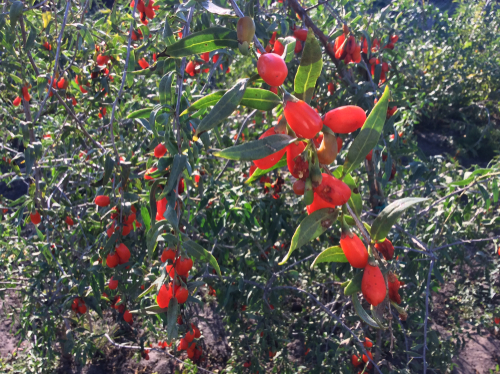
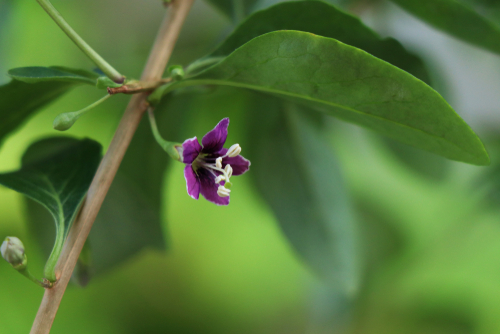
But here’s the best part: you don’t need to pay premium prices or worry about long shipping routes. Goji berries grow perfectly well in our gardens. The Boxthorn shrub can reach heights of six to ten feet and puts on a beautiful show from June to July with its lovely purple blossoms. By August, those tasty orange-red berries start to appear.
Growing Boxthorn in Your Own Backyard
Believe it or not, Boxthorn has become so hardy that you can sometimes find it growing wild along roadsides. Planting it in your garden is a fantastic idea because the shrub is incredibly low-maintenance, robust, and easy to care for. To get the biggest harvest, you’ll want to give it plenty of sunlight.
That said, even in partial shade, these plants can be quite prolific. The best time to plant your goji berry bush is in the second half of April, though autumn is another great option. If you decide to plant during the heat of the summer, just make sure you’re diligent about watering.
Harvesting starts in August. Here’s the best way to do it:
- Spread a tarp or sheet under the bush.
- Give the branches a good shake or pick the berries individually.
- Make sure to finish your harvest by October so the berries don’t get ruined by the first night frosts.
How to Plant Your Goji Berries
Start by digging a planting hole that is at least 16 by 16 inches (40×40 cm). Add a little organic fertilizer, like horn meal, to the hole before setting your plant in. One thing to keep in mind: Boxthorn loves to spread out, and its roots can be quite aggressive. It’s often a smart move to install a root barrier when you plant it to keep it from taking over the whole garden.
While you usually want fruit bushes to grow tall quickly, Boxthorn needs a little “tough love.” In the first year, prune it back to about 20 inches (50 cm). Regular pruning in the following years is essential; otherwise, the shrub will turn into a wild thicket before you know it. Aim to keep about five or six strong, healthy main branches and trim back the rest. You can expect your first real harvest by the third year. Once it gets going, a single bush can produce up to 11 pounds of berries!
Can You Grow Goji Berries in Containers?
If you don’t have a big backyard but have a sunny balcony, you’re in luck! You can absolutely grow Boxthorn in a pot. You’ll just need to be consistent with pruning to keep it shaped like a small standard tree. Make sure your container is at least 16 inches in diameter.
Drainage is key—goji berries hate “wet feet” (standing water). Also, don’t over-fertilize, and specifically avoid high-nitrogen fertilizers. Too much nitrogen will give you a massive, leafy green bush but very few flowers or berries. A nice scoop of compost in the spring is usually all they need to thrive.