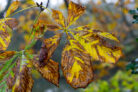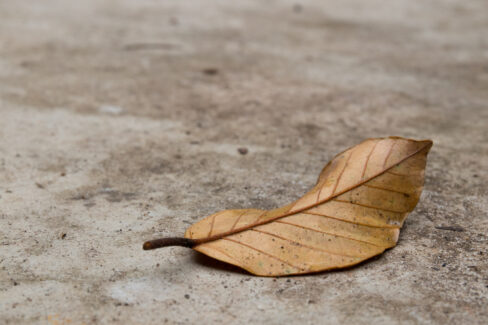
If you notice your plant’s leaves changing color and it’s nowhere near autumn, that’s usually a red flag that something is up. If your Golden Elm is starting to show brown leaves, you might be dealing with a fungal infection. Let’s dive into what’s likely going on and the steps you need to take to save your tree.
Is the Golden Elm at risk for Dutch Elm Disease?
The biggest threat in the disease department for any elm is the notorious Dutch Elm Disease. It’s a nasty fungal infection that can take down a tree fast. The good news? Golden Elms aren’t quite as susceptible as some of their cousins. However, if your tree is already stressed or weakened, the fungus can definitely move in. If it does, you have to act fast. If you wait too long and the fungus takes over the entire tree, the only option left is to cut the whole thing down.
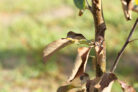
With Dutch Elm Disease, you’ll usually see the leaves at the very top of the tree or standard turn brown first. They’ll also start to look shriveled or deformed. Bit by bit, the fungus spreads to other branches, essentially choking the life out of the tree. When this happens, it’s time to grab your saw.
How to prune away the infected areas
Before you start hacking away, make sure your tools are sharp and—this is the important part—disinfected. You want to make sure you aren’t introducing more bacteria or dirt into the fresh cuts. Pop on some gardening gloves and get ready to do some precision pruning.
Here’s your supply list for the job:
- A sharp saw or hedge shears
- Gardening gloves
- Pruning sealer (wound dressing)
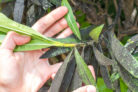
Go ahead and remove every branch that looks infected or dried out. If you aren’t sure if a branch is dead, try the “scratch test”: nick a tiny bit of the bark away. If it’s green and juicy underneath, it’s still alive; if it’s brown and brittle, it’s gotta go. When you remove branches entirely, try to make a clean, smooth cut right against the main trunk. Once you’re done, apply a pruning sealer to the “wounds” to help the tree heal. Finally, make sure to burn the infected trimmings or seal them tightly in a bio-waste bag for disposal—you don’t want those spores hanging around your garden!