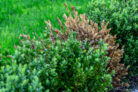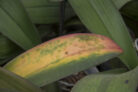
Generally speaking, lilacs are pretty tough customers and don’t get sick too often. However, even these hardy favorites aren’t totally immune to diseases and pests. If you’re starting to notice a lot of brown leaves on your shrub, there are usually three main culprits to look out for:
- Pseudomonas syringae (Bacterial Blight)
- Ascochyta syringae (Leaf Spot)
- Lilac Leafminer
Pseudomonas syringae (Lilac Blight)
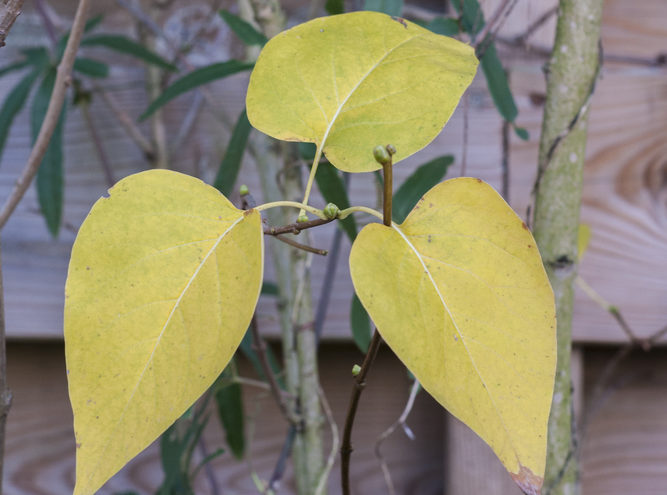
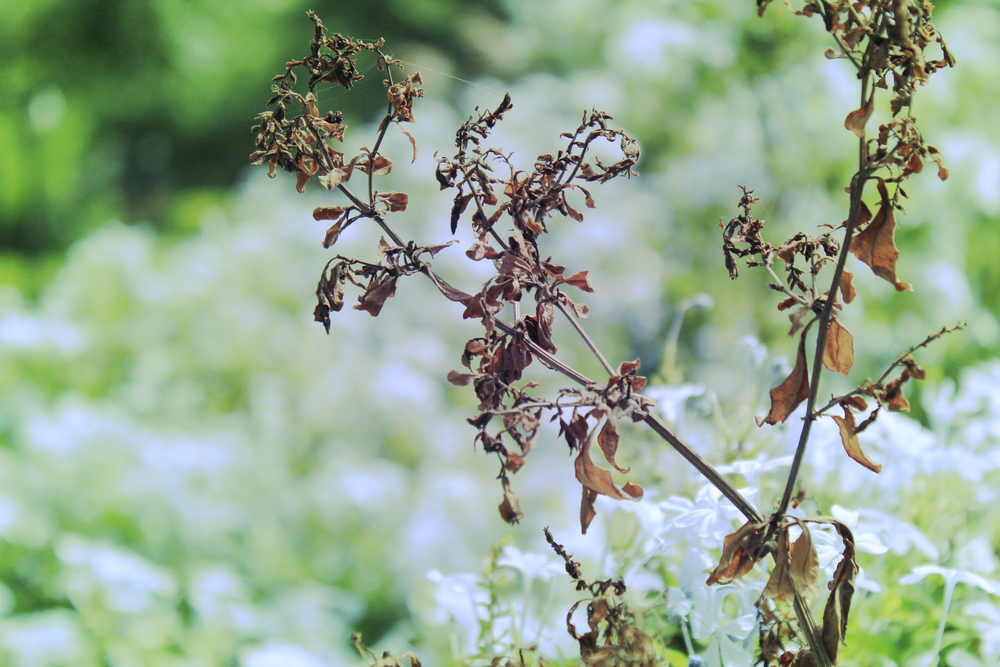
Commonly known as lilac blight, this issue is actually caused by a bacterial pathogen (though it often behaves like a fungal infection). It usually starts on the young, tender shoots, where you’ll see dark brown, streak-like discolorations. As it spreads, dark brown spots pop up on the leaves and stems until the whole thing eventually turns brown and wilts.
The cause is usually a wet, freezing winter or using a fertilizer that’s way too high in nitrogen. To fix it, prune the affected branches back to the healthy wood and toss the clippings in the trash (not the compost!). Moving forward, take it easy on the nitrogen-heavy fertilizers.
Ascochyta syringae (Leaf Spot)
This one is a true fungal infection. Like blight, it hits the new growth first before causing those unsightly brown leaves that eventually die off. You can tell it’s leaf spot because the marks are irregular, blackish-brown, and often cause the leaf edges to curl up.
Again, your best bet is to prune back to the healthy wood and dispose of the infected material in the bin. To get things back under control, you’ll want to treat your lilac with a specific fungicide from your local garden center—look for one containing copper for the fastest results.
Lilac Leafminer (Pest Infestation)
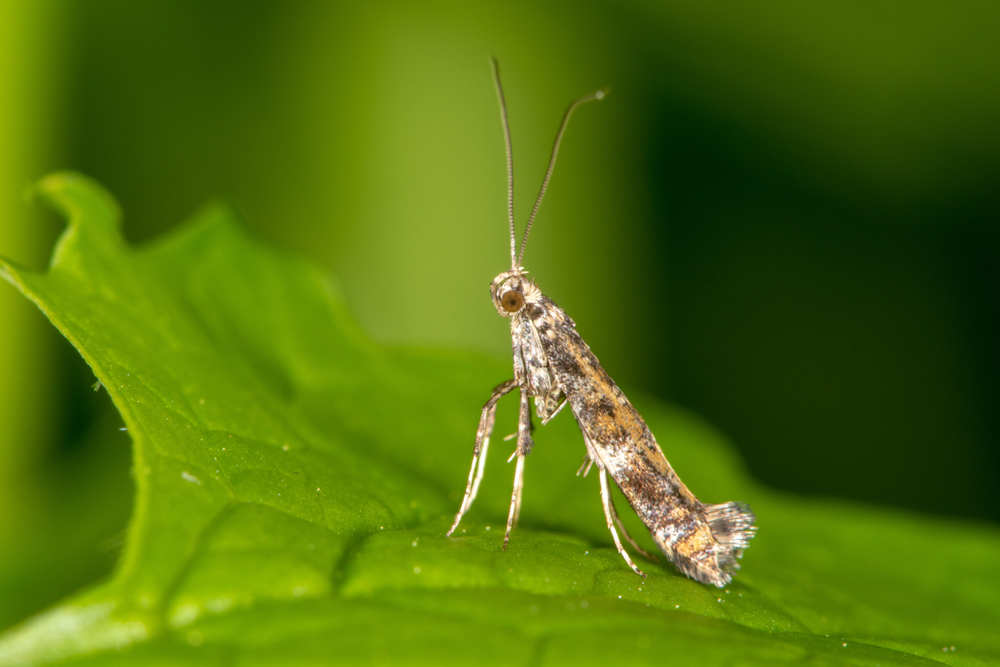
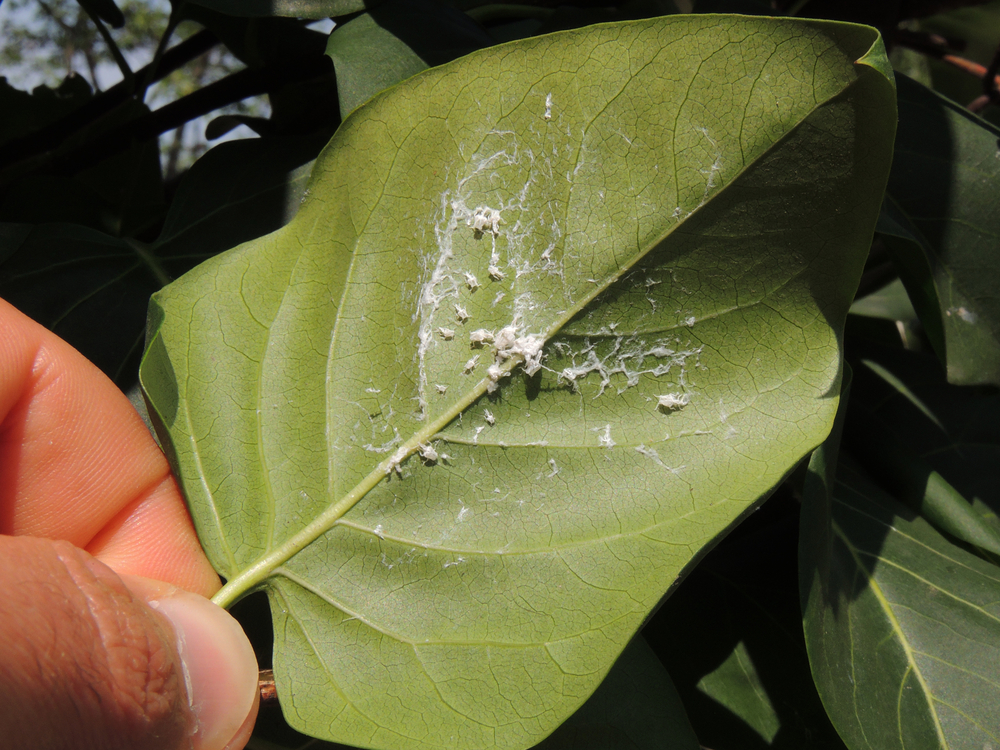
Don’t let the name fool you—this little pest doesn’t just stick to lilacs. It’s happy to munch on forsythia, snowberry, and several other shrubs, too. You’ll usually see the first signs in early summer as large brown blotches on the leaves.
As the infestation progresses, the leaves dry out and drop off. If you take a closer look at the leaves, you’ll actually see tiny caterpillars inside. If your lilac got hit this year, plan to spray the leaves next spring before they fully bud out using a natural remedy like Neem oil.