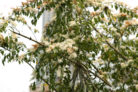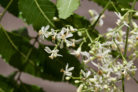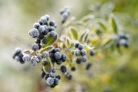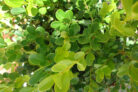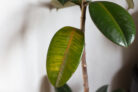
Unlike some of its cousins, the Golden Privet isn’t evergreen—it naturally drops those gorgeous yellow leaves when fall and winter roll around. However, if you notice your shrub losing its leaves earlier than expected, there might be something else going on.
Those Stunning Golden Leaves
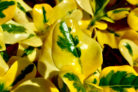
What sets the Golden Privet apart from other privet varieties is, of course, that striking yellow-to-gold foliage. It’s exactly how this beauty got its name! Just keep in mind that these leaves aren’t meant to stay on year-round; they’ll drop as the weather cools. But if your shrub starts thinning out prematurely, it’s time to do a little detective work. The reasons can vary, so let’s break them down.
Why is My Privet Losing Leaves Early?
If your Golden Privet starts dropping leaves in the spring or summer, it’s usually a cry for help. Here are the most common culprits:
- The plant is dried out.
- It’s not getting enough nutrients.
- You’ve got a pest problem.
- A fungus has moved in.
Thirst and Hunger: Watering and Nutrients
For the most part, privets are super low-maintenance and aren’t too picky about where you plant them. That said, they do need a steady supply of water. You want the roots to stay hydrated without letting them sit in soggy, standing water (nobody likes “wet feet”). This is especially important for young plants that are still finding their footing.
While established privets don’t usually need a strict fertilizing schedule, I always recommend giving young shrubs a little extra boost during their first year. This helps them develop a strong root system and ensures they have all the nutrients they need to thrive.
Dealing with Pests
Sometimes, unwanted guests are the reason for early leaf drop. Golden Privets are favorite targets for vine weevil larvae and privet aphids. A healthy shrub can usually handle a few bugs on its own, but a major infestation might require a bit of intervention. You can use fungicides for heavy cases, but I love a more organic approach: try using nematodes to tackle vine weevils, or release some lacewings and ladybugs to take care of an aphid problem.
Fungal Issues
If it’s not bugs, it might be a fungal infection. If you see lots of tiny spots appearing on those golden leaves, you’re likely looking at [blattfleckenpilz-liguster-bekaempfen]leaf spot fungus[/link]. The best move here is to prune away any affected branches immediately. This stops the fungus from spreading to the rest of your hedge and keeps your garden looking its best!