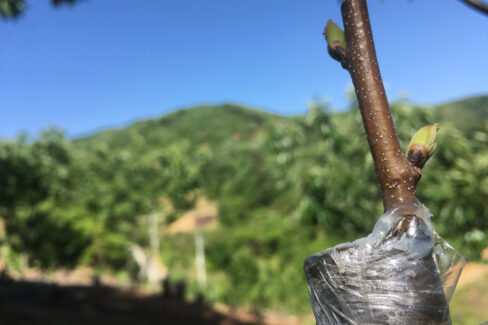
Chestnut trees might look like sturdy giants that can handle anything, but they’re actually pretty susceptible to a handful of diseases. That’s exactly why many gardeners choose to graft them—it’s all about making the tree tougher and more resilient. If you’re ready to try your hand at it, I’m here to walk you through the basics!
Grafting Chestnuts
When it comes to grafting a chestnut tree, there are a few different ways to go about it. While the steps and tools might vary, every method has its pros and cons. The real secret to success? Making sure your rootstock and your scion (the cutting you’re attaching) are actually compatible. Sure, you could just head to the local nursery and buy a pre-grafted tree, but where’s the fun in that? Just like propagating or growing chestnuts from scratch, grafting is a rewarding challenge for any patient home gardener.
Most of the time, we’re talking about sweet chestnuts here. The goal of grafting is always improvement—think of it as a “best of both worlds” situation. For example, you might use a rootstock that’s super resistant to fungus and soil diseases, then graft on a variety known for a long harvest season or extra-tasty nuts. When everything aligns, you get a powerhouse of a tree.
How the Grafting Process Works
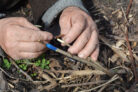
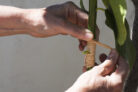
If you’re planning for a spring graft, you’ll want to collect your scion wood between winter and March. For summer grafting, it’s best to use fresh cuttings. The whole point is to get the scion and the rootstock to fuse together into one plant. To do this, you’ll make precise cuts on both pieces and join them at the cut surfaces. Depending on the technique you choose, some methods allow for a little wiggle room, while others require the two surfaces to match up perfectly.
Spring is the most common time for grafting, but “budding” (or chip budding) usually happens in the summer. You’re looking for a healthy, vigorous rootstock where the bark slips away easily. Your scions should be slightly woody but not rock-hard. Usually, you won’t see that new growth really take off until the following spring.
Quick Takeaways
- There are several different techniques you can use for grafting.
- Sweet chestnuts are the most common candidates for this process.
- The goal is to combine the hardiness of the rootstock with the fruit quality of the scion.
- Collect scion wood by March for spring projects; use fresh wood for summer.
- Success depends on getting those cut surfaces to bond tightly.
- DIY grafting is a fun challenge, but keep in mind it takes a bit of practice and patience!