While some trees need a regular haircut to stay healthy, the sweet chestnut is actually the opposite. For the most part, this tree is a “low-maintenance” dream when it comes to pruning. However, there are a few specific situations where grabbing your shears makes sense. Here’s the lowdown on when and how to prune your chestnut tree without stressing it out.
Why you should keep the pruning to a minimum
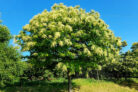
Left to its own devices, a sweet chestnut will naturally grow into a beautiful shape—provided it’s happy in its chosen spot. The main reason we avoid heavy pruning is that every cut creates an opening in the bark. These wounds are like an open door for fungi, specifically chestnut blight (chestnut bark cancer), which can seriously damage or even kill the tree if it gets inside.
When it actually makes sense to prune
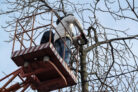
Even though “less is more,” there are a few times when you’ll need to step in. For instance, if a storm has snapped some branches, or if you notice dead wood that’s crowding the healthy growth, it’s time for a cleanup. Most importantly, if you spot signs of pests or disease, you should prune those affected areas immediately to save the rest of the tree.
Here’s your toolkit:
- Sharp pruning tools (saw or shears)
- Disinfectant (rubbing alcohol or a bleach solution)
- Tree wound sealer
Depending on the size of the branches, you’ll want a sharp garden saw or a pair of loppers. Pro tip: Always disinfect your tools before you start! You don’t want to accidentally introduce bacteria or fungi into a fresh cut. When you’re done, apply a wound sealer to any large cuts to help the tree heal, and make sure your cuts are clean and flush with the trunk rather than leaving jagged stubs.
Pruning right after planting
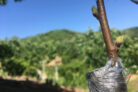
Sometimes, it’s a good idea to give your sweet chestnut a quick trim right after it goes into the ground. This usually applies if you bought a young tree in a container rather than propagating or growing it yourself. On the flip side, if you bought a bare-root sapling, you can usually skip the initial prune. Most nurseries trim bare-root trees before shipping, so they’re already good to go!