Oaks are generally known for being tough-as-nails trees, but even these giants have their weaknesses. One of the most common headaches for oak owners is a fungus known as powdery mildew. Honestly, it’s rare to go a full year without seeing this stuff pop up somewhere. If you’re worried about your tree, here’s the lowdown on how to spot it and what you can actually do about it.
How to Spot Oak Powdery Mildew
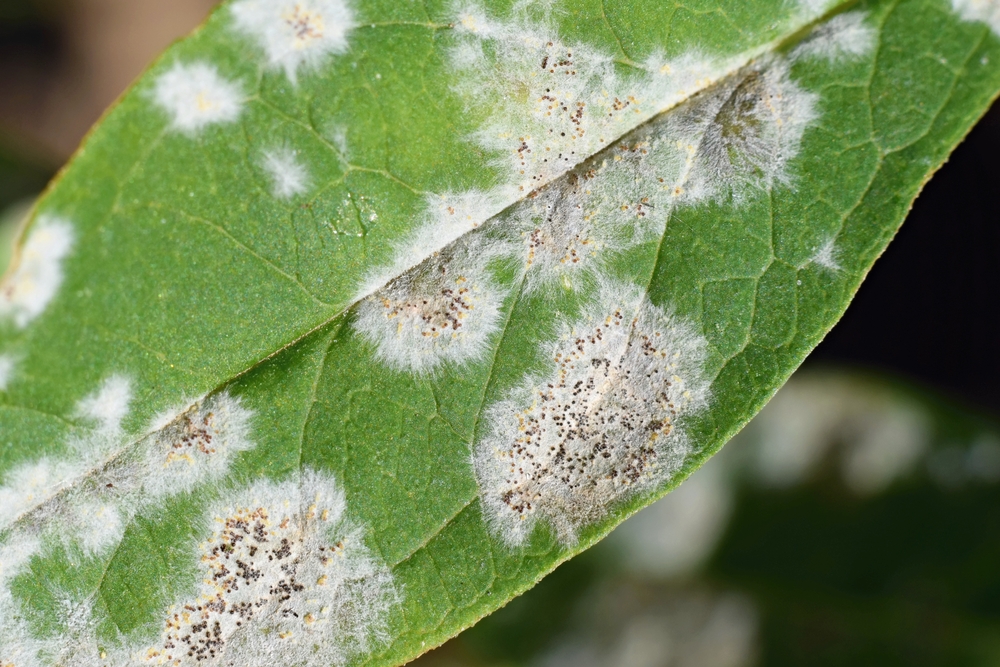
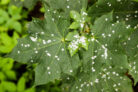
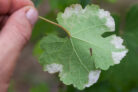
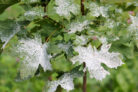
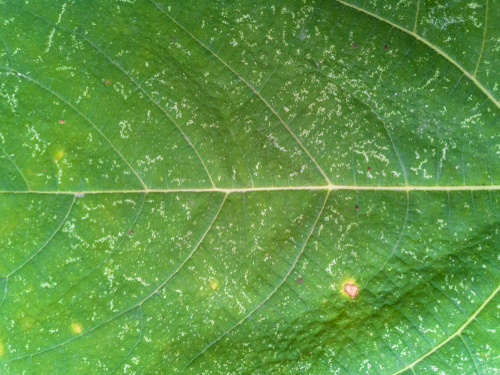
Powdery mildew looks exactly like its name suggests: it coats the oak leaves in a thin, white layer that looks like they’ve been dusted with flour or powdered sugar. This fungus acts like a parasite, sucking nutrients right out of the leaves. The good news? It usually stays on the surface and doesn’t penetrate the branches or the oak trunk. You might also notice tiny, round fruiting bodies—these are basically spore factories that help the fungus spread to the rest of the tree.
You’ll mostly see this on the fresh, new growth. In some cases, very young leaves and tender shoots can actually die off from a heavy infection. While mature oaks usually handle it just fine, younger saplings tend to take a harder hit.
The fungus really thrives when the weather plays along. Keep an eye out for it when you have:
- Intense, direct sunlight
- Low humidity
- Warm temperatures
How to Treat Powdery Mildew on Your Oak
Powdery mildew can spread incredibly fast. If your tree is already stressed out by other pests, the fungus can become a real threat. In large-scale forestry, professionals sometimes use chemical pesticides to keep it under control, but those aren’t always great for the local ecosystem—and a healthy ecosystem is the best foundation for a strong tree.
If you notice one specific branch is looking particularly rough and isn’t recovering, you can prune it back properly. Just make sure you’re using a sharp, sterilized saw and consider using a pruning sealer on the cut to protect the tree while it heals.
However, for most backyard oaks, the best move is often just a little patience. Wait for the infected leaves to dry up and fall off naturally. Once they do, rake them up and toss them in a sealed trash bag to stop the spores from blowing back onto the tree next year. And here’s a fun tip: keep an eye out for ladybugs! They actually consider this fungus a snack and might help do some of the cleanup for you.