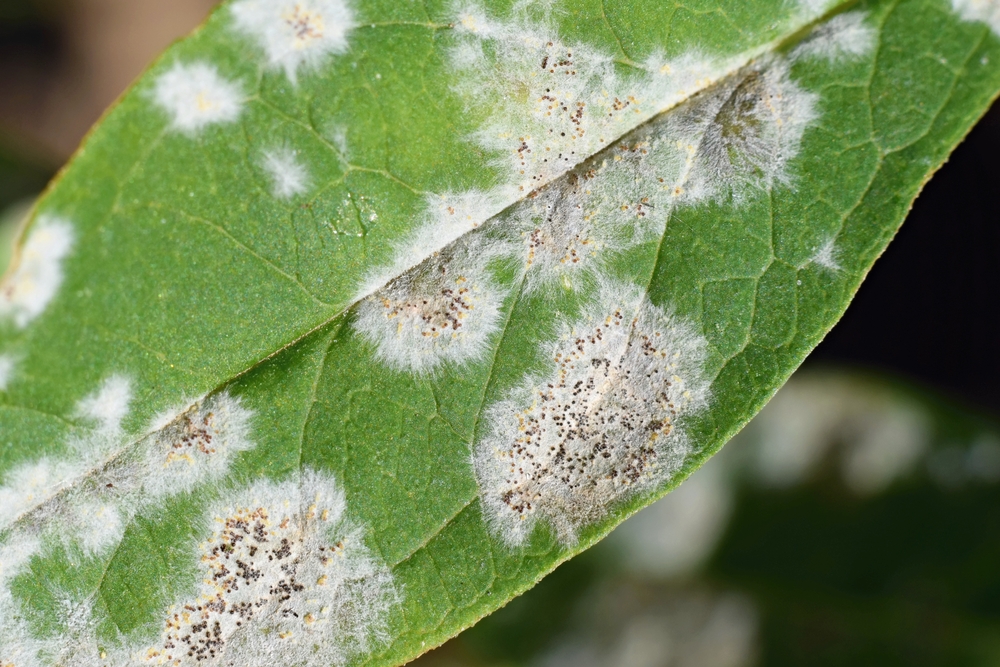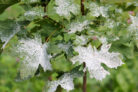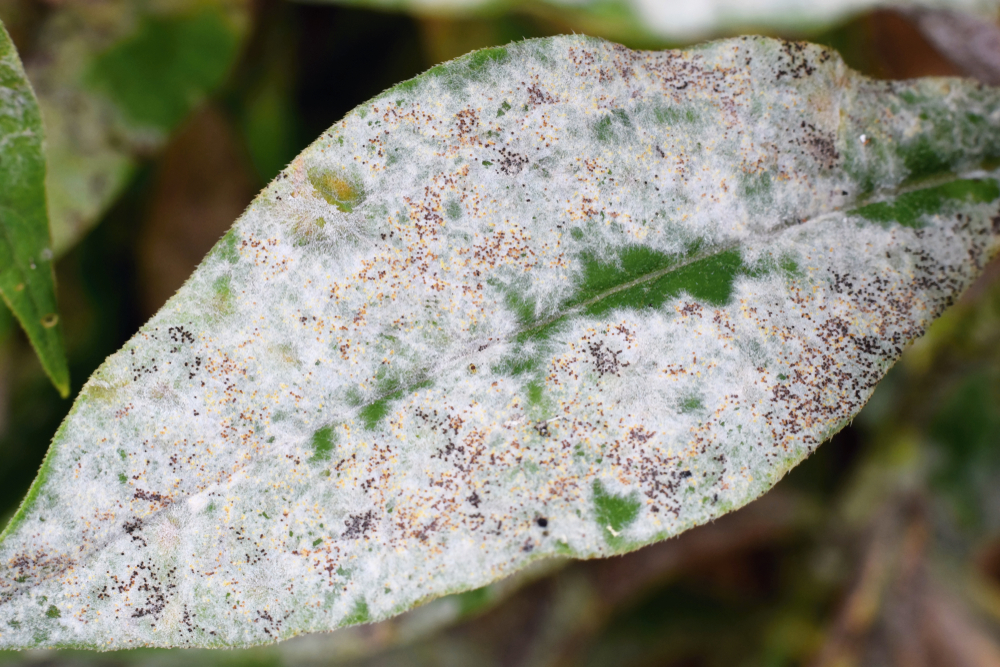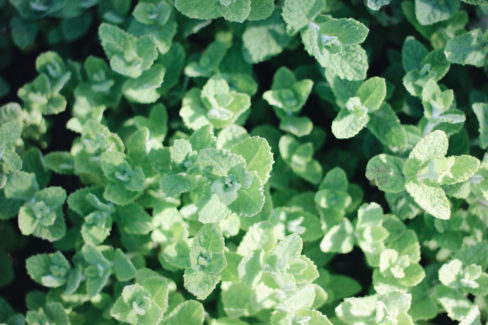
Ever walked out to your garden and felt like a garden gnome went rogue with a bag of flour overnight? That’s exactly what mint looks like when it’s hit with powdery mildew. It usually doesn’t stop at the mint, either—it tends to spread to nearby neighbors pretty quickly. This “flour” is actually a fungal pathogen that loves to crash the garden party.
The Perfect Storm for Fungi
Powdery mildew spores are sneaky; they’re likely already hanging out in your garden, having overwintered in the soil. They’re just waiting for the perfect moment to strike during the new growing season. When the days get warm but the air stays dry, it’s showtime for them. Keep a close eye on your mint so you can jump into action early.
Note:
If you see a grayish-white coating on the *undersides* of the leaves, you’re likely dealing with Downy Mildew. But don’t sweat the details too much—when it comes to treating these diseases, the methods are pretty much the same.
What This Means for Your Mint
That white coating is just the first sign of trouble. As the disease progresses, the infected leaves will start developing brown spots before eventually drying up and falling off. The weaker your mint is—maybe because of a bad location or improper care—the less it can fight back. If left unchecked, the whole plant can fall victim to mildew.
Is It Still Safe to Use?
Most of us don’t grow mint just for its pretty flowers; we grow it for those delicious, aromatic leaves. While powdery mildew isn’t toxic (though it can cause mild allergic reactions in sensitive folks) and can technically be wiped or washed off, the idea of eating “moldy” leaves is a major appetite killer. That’s why the mildew has to go.
Sure, chemical fungicides might make it disappear, but those aren’t exactly something you want on your dinner plate either.
Helping Your Mint with Pruning Shears
When disease strikes, a good pair of garden shears is your mint’s best friend. You’ll have to sacrifice the sick stems, but don’t worry—healthy new growth will sprout up before you know it.
- Remove all infected stems.
- If it’s bad, don’t be afraid to cut the whole plant back to the ground.
- Dispose of the diseased material (don’t compost it!).
- Clean up any fallen leaves from the soil.
Pro Tip:
Powdery mildew is highly contagious and rarely spares nearby plants. Always disinfect your shears before and after use so you don’t accidentally spread the spores.
Natural Spray Solutions
In my experience, a simple milk solution works wonders. Mix one part fresh milk with nine parts water and you’re good to go. Another great option is garlic tea: crush a clove of garlic, pour hot water over it, let it steep for an hour, and let it cool. Once you have your spray ready:
- Spray the entire plant, including the undersides of the leaves.
- Treat neighboring plants as a precaution.
- Repeat every 2–3 days until the mildew is gone.
If you’re worried about getting the leaves too wet (which can sometimes lead to rot), you can “dust” the plant with rock flour (basalt or granite dust). The silica it contains is a natural enemy of fungal pathogens.
How to Prevent the White Stuff
Prevention is the best medicine! Here’s how to keep the white coating away:
- Give your plants space (about 20 inches apart) for airflow.
- Keep the soil loose and weed-free.
- Always water at the base of the plant, not the leaves.
- Choose a spot without extreme temperature swings.
- Boost your plant’s immune system with strengthening sprays like horsetail tea.