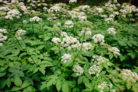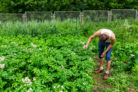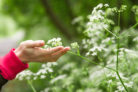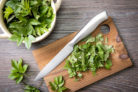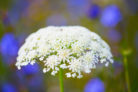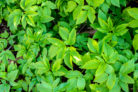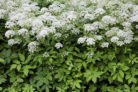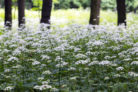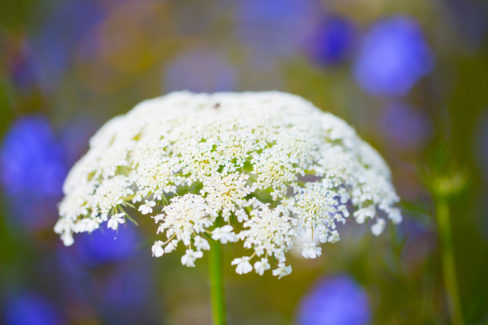
For most gardeners, ground elder (also known as Goutweed) isn’t exactly at the top of the “favorite plants” list. It has a nasty habit of taking over, aggressively crowding out your prized perennials and roses. One reason it’s so hard to manage is its incredible ability to spread via self-seeding. If you want to get a handle on this garden “invader,” here’s everything you need to know about those tiny but mighty seeds.
Ground Elder Seeds: Appearance & Characteristics
At first glance, ground elder seeds aren’t particularly flashy. In fact, they look a whole lot like caraway seeds. You might also notice they share a similar structure with dill, carrot, or parsley seeds. They start out green while developing and turn a dark brown or blackish-brown once they’ve fully ripened.
You’ll find these seeds sitting upright in the plant’s withered, umbrella-like flower clusters. A single flower head can hold up to 100 seeds! They are housed in two-part schizocarps (dry fruits) and are wingless, oblong, and slightly flattened. On average, each seed is about 3 mm long.
Pro Tip: You can also identify ground elder seeds by their narrow, slightly crescent-moon shape.
Ripening & Propagation
Ground elder has a pretty long blooming season, stretching from early April all the way through September. Because of this, the seeds ripen at different times; the first batch is usually ready by June, while others don’t reach full maturity and turn brown until well into the fall.
If your goal is to get rid of ground elder, timing is everything. You’ll want to remove the plants before the seeds ripen. Once they’re mature, they catch the wind easily, and the plant’s natural tendency to self-seed will turn one patch into a backyard takeover before you know it.
Using Ground Elder Seeds as a Spice
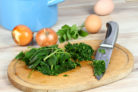
If you can’t beat ‘em, eat ‘em! If you want to make use of this pesky weed, the seeds actually make a fantastic, slightly exotic addition to your kitchen spice rack. You can use them freshly harvested or in dried form. They have a lovely aromatic flavor with a subtle spicy kick.
To really bring out that signature aroma and fresh heat, try grinding the seeds into a powder using a mortar and pestle. Ground elder seeds work beautifully in sauces, soups, stews, and salads. They’re also a great way to add a unique twist to meat and fish dishes.