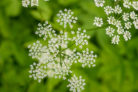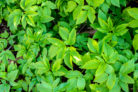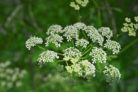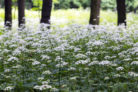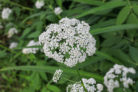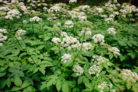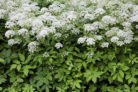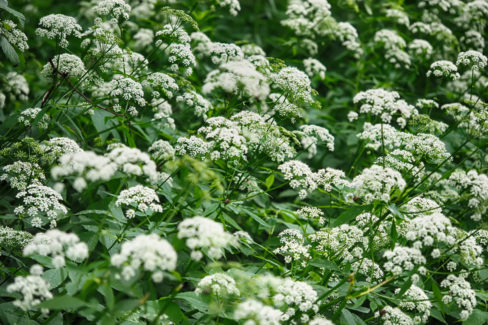
Every summer, that hardy little wild herb we call Goutweed (or Ground Elder) makes its comeback, showing off those delicate, snowy-white flower clusters. Now, I know a lot of gardeners treat Goutweed like public enemy number one, but hear me out—this “weed” is actually a powerhouse of health benefits! And it’s not just the leaves that are good for you; the flowers are packed with the same goodness. If you’re wondering when to head out and start foraging, here’s the scoop.
Goutweed Blooms: A Long Summer Season
Typically, Goutweed starts popping its buds just above the foliage in early May. The plant really hits its stride during the heat of the summer, with peak blooming season happening between June and July. This is the absolute best time to head out and harvest those fresh blossoms.
One of the best things about Goutweed is how long it sticks around. Depending on the weather, you can find it blooming well into August or even September. A lot of it comes down to how much sun the patch gets—the sunnier the spot, the happier the plant. If you happened to sow some in early summer, you’re likely looking at a nice, long flowering phase.
Pro Tip: Don’t just yank the flowers off! To keep the plant healthy and clean, use a sharp, sterilized knife or a pair of garden snips to get a clean cut.
Family Ties: Don’t Get Them Mixed Up!
Because Goutweed belongs to the *Apiaceae* (carrot) family, it has a few look-alikes that can be a bit tricky to tell apart. When it’s in bloom, it can easily be confused with:
- Cow Parsley
- Wild Carrot (Queen Anne’s Lace)
- Poison Hemlock (Watch out—this one is toxic!)
- Fool’s Parsley
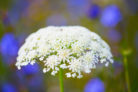
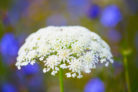
All of these cousins feature those signature white, umbrella-like clusters (umbels). They usually have five-petaled hermaphrodite flowers and a slightly sweet scent, so you really have to pay attention to the details.
Goutweed Flowers: The Quick Cheat Sheet
What makes the Goutweed stand out is its “double umbel” structure—it’s flat and usually has anywhere from 12 to 25 rays. A key giveaway is that Goutweed lacks “bracts” (the tiny leaf-like structures at the base of the flower clusters) which many of its look-alikes have.
Taste-wise, Goutweed flowers are a treat—they’re slightly sweet with a lovely aromatic, spicy kick. You can toss them raw onto soups, salads, or stews as a beautiful edible garnish. They’re also great dried and used as a seasoning for meat or potato dishes. Who knew a “weed” could be so gourmet?