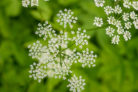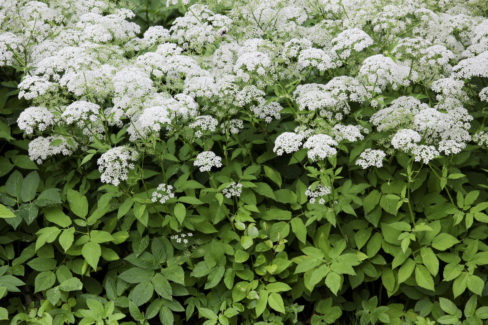
Goutweed (botanically known as *Aegopodium podagraria*) is right up there with field bindweed, quackgrass, and horsetail as one of the most stubborn “garden villains” you’ll ever face. It loves to hang out in perennial beds, making life miserable for your favorite flowers. Because it spreads through both seeds and a massive network of underground runners (rhizomes), getting rid of it is a real challenge. But don’t worry—I’ve got some tried-and-true tips to help you reclaim your garden!
The Golden Rule: Keep Chopping It Down
If you want to avoid using harsh chemicals or herbicides, consistency is your best friend. You have to be proactive and stay on top of every goutweed patch, no matter how small it looks.
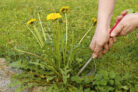
The trick is to use a hoe to chop the plants down to ground level several times throughout the growing season. By doing this, you’re essentially starving the weed; every time it tries to grow back, you cut off its energy source. Over time, that thick carpet of weeds will start to thin out. It’s a bit of a marathon—goutweed is famous for popping back up even after years of battle—but it’s a very effective long-term strategy.
For Rich Soil: Dig Out the Rhizomes with a Garden Fork
If your garden has loose, loamy soil, you’re in luck! Digging out the roots is much more efficient here. Grab a garden fork and work your way through the patch step-by-step. You’ll want to carefully sift through the dirt and pull out every single white runner you find.
Be super meticulous: even a tiny piece of a root left behind can sprout into a brand-new plant. And here’s a pro tip: never use a rototiller or a spade to “dig in” a goutweed-infested area. Chopping the rhizomes into small pieces actually stimulates growth, and you’ll end up with ten times more weeds than you started with!
Expert Tip: Never toss goutweed roots directly onto your compost pile! They can easily survive and spread from there. Instead, let the plant remains dry out in the sun for a few days until they are completely crispy and dead before disposing of them.
The Sustainable Smother: Use Cardboard or Landscape Fabric
If goutweed is taking over an unplanted area or growing under large shrubs, you can use the “smother method.” Simply cover the infested ground with a layer of thick cardboard and top it with about 4 inches of wood chips or mulch.
Usually, the cardboard will rot away after a year or two, and the goutweed rhizomes underneath will have died off from lack of light. However, keep an eye out! Goutweed seeds can stay viable in the soil for years. For a more permanent solution, professional gardeners often recommend using a heavy-duty landscape fabric.
Expert Tip: You can still have a beautiful garden while using landscape fabric. Just cut small slits in the fabric to plant your roses or perennials, then hide the fabric under a nice layer of bark mulch.
The Natural Helper: The Mighty Potato
Experienced gardeners have a secret weapon against goutweed: potatoes! Because potato plants grow dense, heavy foliage, they shade the ground so thoroughly that the goutweed can’t get the light it needs. Plus, potatoes are “hungry” plants that outcompete the weeds for water and nutrients.
Expert Tip: If you’re starting a garden on a brand-new lot, planting potatoes for the first season is a great move. They help suppress weeds and naturally loosen up the soil for future planting.
When All Else Fails: Herbicides as a Last Resort
If you’ve tried everything and the goutweed is still winning, you might consider a chemical herbicide. There are some products on the market specifically designed for tough weeds like goutweed. Always follow the manufacturer’s instructions and usually plan for two applications about 2-3 weeks apart.
Just a heads-up: herbicides are really only practical under established trees or shrubs. In a mixed flower bed, the spray will kill your perennials just as fast as the weeds.
If your flower beds are completely overrun, the best “reset” is to dig up the entire bed in spring or fall. Lift your perennials, carefully wash or pick through their root balls to remove every trace of goutweed rhizomes, and then replant them in clean soil.
Did You Know? Not All Goutweed is a “Weed”
Believe it or not, there’s actually an ornamental version of goutweed with beautiful variegated (white and green) leaves. It’s often sold as a groundcover for shady spots (look for the variety ‘Variegata’). This version is much less aggressive than its wild cousin, making it a great choice for covering the ground and keeping other, more annoying weeds at bay!