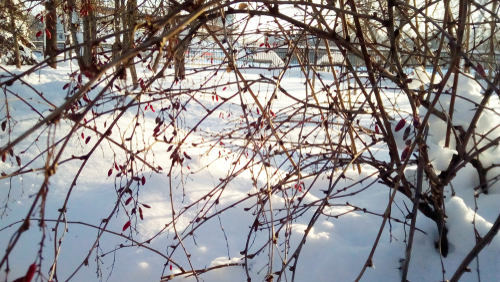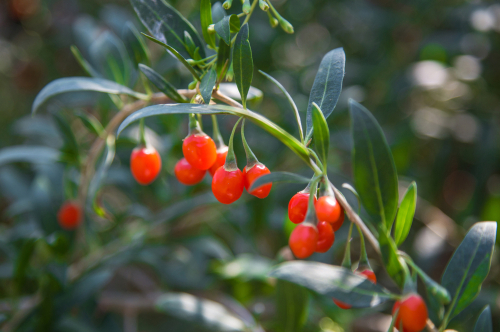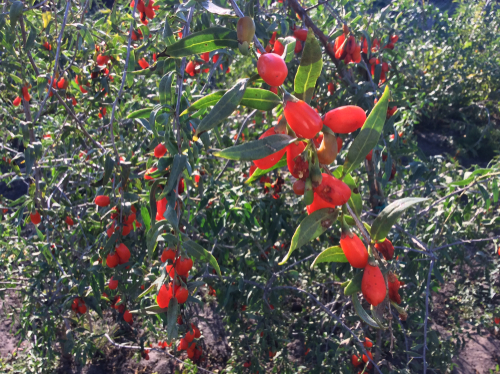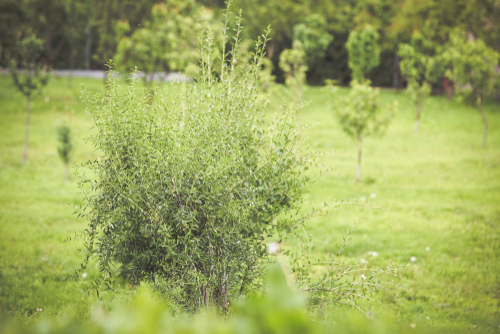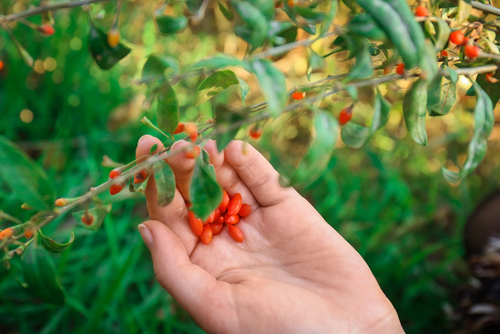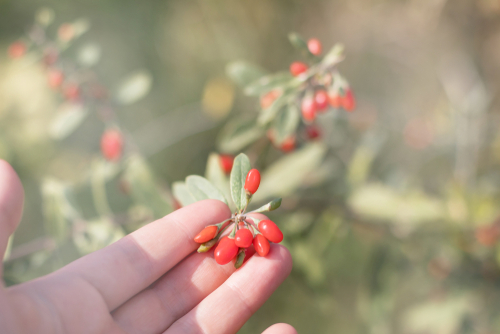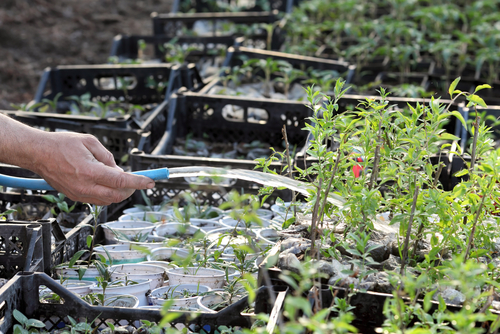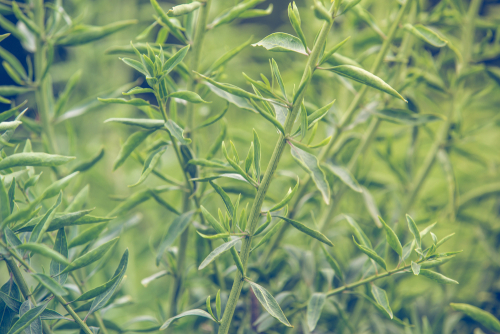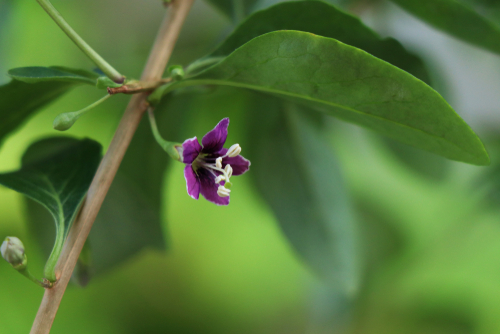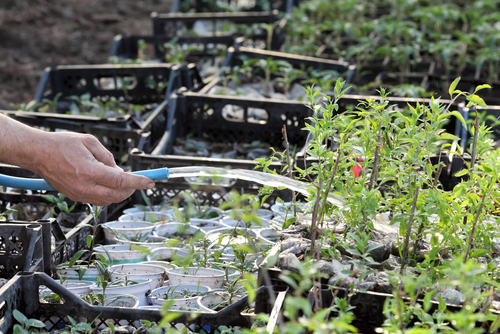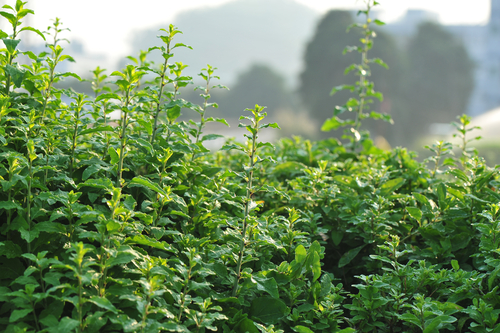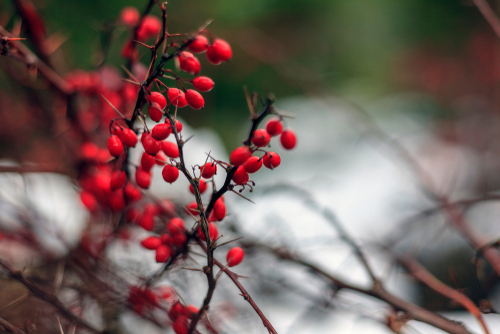
For the most part, Goji berries are naturally tough cookies when it comes to the cold. These plants can actually handle temperatures dropping as low as -13°F (-25°C) without breaking a sweat! However, there are two big exceptions to the rule: young, baby plants and those growing in containers. If you want to make sure your Goji berries make it through to spring, here’s what you need to know.
Keeping Your Goji Berries Safe from the Frost
Once a Goji berry bush (also known as Wolfberry) is fully established, it’s incredibly winter-hardy. You really don’t have to worry about those older shrubs. But if you’ve got young plants in your garden, they’ll need a little extra TLC to survive the freeze. Here’s my go-to checklist:
- Spread a thick layer of mulch or evergreen brush over the root zone.
- Wrap the branches in garden fleece (frost cloth).
- If you’re just planting them, try to pick a spot that’s naturally sheltered from harsh winds.
If you’re growing your Goji berry in a pot, it’s a slightly different story. For the first few years, it’s safest to bring the container into a protected winter quarter (like a cool garage or shed). Once the plant is older, you can leave it outside, but you’ll need to wrap the pot in bubble wrap and set it on an insulating base—like a wooden pallet or a thick piece of styrofoam—to keep the roots from freezing solid.