The Pot Marigold (Latin name: *Calendula officinalis*) has been a favorite for centuries, loved for being a low-maintenance beauty with some serious healing powers. Because this summer flower often pops up in the same garden spot year after year without us lifting a finger, there’s a lot of debate about whether it’s actually winter-hardy.
Calendula calls the Mediterranean home
Originally, Calendula comes from the warm, sunny Mediterranean. However, it’s become quite the traveler and now grows wild across much of Europe, often popping up in unexpected places like rocky slopes or roadsides. Since people discovered early on that Calendula is edible and has great medicinal properties, it’s been a staple in home gardens for a very long time.
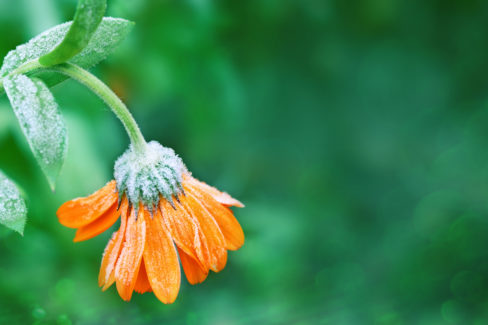
Most Pot Marigolds spread through self-seeding, which gives the impression that the plant itself survives the frost. But here’s the secret: it’s not the plant that’s winter-hardy, it’s the seeds! The seeds survive the cold ground and sprout as soon as things warm up, making it look like the plant never left.
Growing Calendula in garden beds and balcony boxes
In reality, Calendula can only handle a very light touch of frost. That’s why you should wait to move your plants outdoors until the threat of a hard night freeze has passed. If you want a head start, you can start your seedlings in a greenhouse or on a sunny windowsill and then transplant them outside around mid-May.
To make sure your summer blooms thrive on a balcony, give them a sunny spot and regular water. Since they have long taproots, they’ll be happiest in a deep pot or a large planter box.
One of my favorite tips for a gorgeous display: keep deadheading! If you regularly snip off the wilted flower heads, the plant will work overtime to produce even more blooms. You can also harvest the fresh flower heads weekly to use in your kitchen. The petals are wonderful when dried and brewed into a soothing tea.
Growing your own Pot Marigolds
Propagating Calendula is super easy, even if you don’t have a green thumb.
Here’s how you do it:
- After the blooming season, leave a few flower heads on the plant to mature instead of cutting them off.
- Wait until the seeds are fully developed and clearly visible before you harvest them.
- Dry the seeds at room temperature and store them in a glass jar away from moisture.
You can sow these seeds directly into your garden bed or start them indoors. They usually germinate quickly and without any fuss. Of course, if you’re feeling lazy (we’ve all been there!), you can just let the seeds fall naturally—they’ll likely sprout on their own in your pots or beds next spring!