Because they are so incredibly easy to grow, pot marigolds (Latin name: *Calendula officinalis*) are a staple in many of our backyard gardens. Not only are they gorgeous to look at, but they’re also completely edible and famous for their medicinal properties. Drying the petals is a fantastic way to make the most of your harvest. Here’s my guide on how to do it right!
Timing is everything when harvesting
To get the best results when drying your blooms, timing is key. You’ll want to wait for a stretch of dry weather—ideally, it should haven’t rained for at least 48 hours before you head out to the garden.
Here is how to harvest like a pro:
- Use a sharp pair of garden snips to cut off the flower heads in the late morning. Look for the freshest, most vibrant blooms.
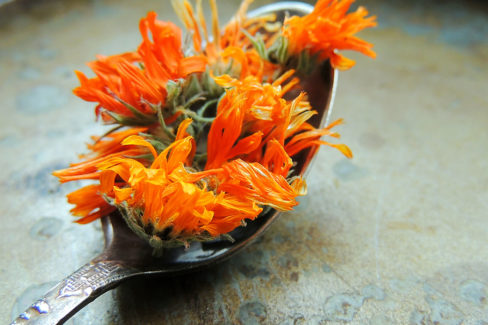
- Lay the flower heads out on a cotton cloth in a breezy, partially shaded spot for about two days.
- Once they’ve wilted slightly, gently pluck the delicate petals from the flower heads by hand.
- Continue drying the loose petals for a few more days.
- Make sure there is plenty of airflow to prevent any mold from forming.
- You can let them dry naturally at room temperature or speed things up using a food dehydrator.
How to use your dried petals
If you’re planning on making your own herbal tea blends, try drying the flower heads at around 185°F (85°C). This specific temperature helps lock in that beautiful, bright color.
Calendula is a powerhouse medicinal plant that can help with several common issues:
- Stomach cramps or ulcers
- Digestive issues and menstrual cramps
- High cholesterol
- Liver or gallbladder support
- Minor irritations in the mouth and throat
- Sore throats and hoarseness
- Trouble falling asleep
For topical use, these petals are often infused into salves or ointments. You can even make your own calendula oil at home! Just let the petals steep in a carrier oil in a bright, warm spot for at least two weeks. And if you’re feeling culinary, try mixing the petals with fresh herbs and butter for a stunning (and tasty) compound butter.
Harvesting and using seeds
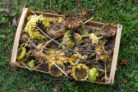
In most gardens, calendula is a “set it and forget it” plant because it reseeds itself so easily. If you’ve found the perfect spot for them, you’ll likely see new sprouts every year without lifting a finger. However, if you want to control exactly where they grow, you can collect the fully ripened seeds yourself. Just pull them off the dried stems, let them dry thoroughly at room temperature, and store them in an airtight glass jar until you’re ready for planting next spring.