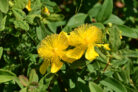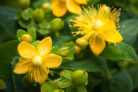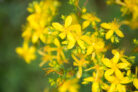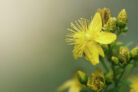
Most of us know St. John’s Wort as nature’s go-to remedy for lifting the spirits. It’s a fantastic natural alternative for managing mild depression without the heavy side effects of prescription meds. While you can easily grab supplements at any drugstore or pharmacy, here’s the cool part: this healing herb grows wild all over the place, and it’s a breeze to grow in your own backyard!
When to Harvest St. John’s Wort
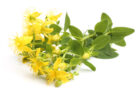
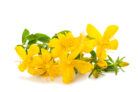
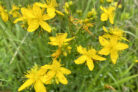
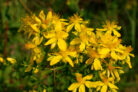
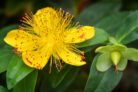
Common St. John’s Wort (*Hypericum perforatum*)—the variety used for medicinal purposes—typically blooms between June and August. You might hear it called Perforate St. John’s Wort or Goatweed, but whatever the name, the best time to start foraging is when those bright yellow flowers are fully open. Look for it in sunny spots along forest edges or paths with dry, sandy, or rocky soil. If you’re harvesting, aim for a dry morning after the dew has evaporated.
Quick heads-up:
Be careful not to confuse St. John’s Wort with Tansy Ragwort. They both have yellow flowers, but Ragwort is toxic, so make sure you’ve got the right plant before you start picking!
How to Harvest the Blooms
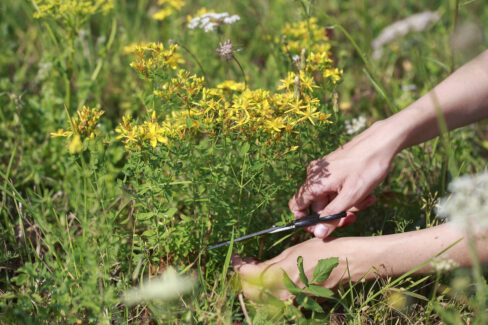
You could technically pluck the flowers one by one, but honestly? That takes forever. It’s much easier to just snip off the entire upper stems. Don’t worry about the leaves getting mixed in; they have medicinal properties too! Just skip the berries (seed capsules), as those aren’t used for healing.
Pro Tip:
When pruning, only take the top 8 inches (20 cm) of the stems. This leaves enough foliage behind so the perennial plant stays healthy and keeps growing for years to come.
How to Dry St. John’s Wort
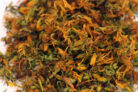
You can use your harvest fresh, but drying it is great for long-term storage. The easiest way is to tie the stems into small bundles and hang them upside down. Find a warm, airy spot away from direct sunlight, and they should be crispy-dry in about 1 to 2 weeks. If you’re in a hurry, you can use a food dehydrator—just keep the temperature low (under 104°F or 40°C) to preserve all those good compounds.
Ways to Use Your Harvest
There are so many ways to put this herb to work! Just a friendly reminder: if you’re making your own remedies for the first time, be sure to follow a detailed recipe to ensure you’re getting the dosage right.
- Tea: Made from the leaves and/or flowers (the flowers give it a bolder flavor).
- Tinctures: Great for a concentrated dose.
- Infused Oils: Famous for soothing skin and sore muscles.
- Herbal Liqueurs: It makes a unique addition to homemade schnapps or bitters.