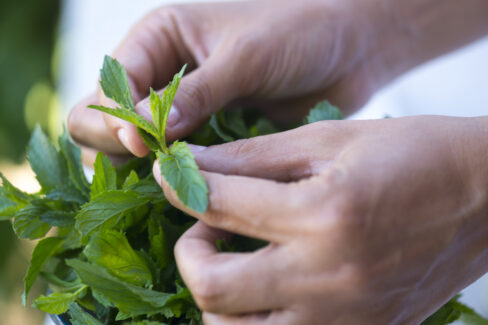
Peppermint is a classic garden staple with a history that goes back centuries. Whether you’re looking for that refreshing kick in a homegrown tea or a zesty addition to your favorite recipes, mint is just as beloved today as it was in the Middle Ages. But before you can enjoy that fresh flavor, you’ve got to get the harvest right!
The Best Time to Harvest
Mint is an early riser in the garden, and you can usually start picking leaves as early as mid-May. This is actually when the flavor is at its peak! The golden rule is to harvest before the plant flowers. Once those blooms appear, the concentration of essential oils in the leaves drops, and the flavor just isn’t as punchy.
When you’re harvesting, don’t be afraid to give the plant a good trim—cutting it back actually encourages the mint to grow back even bushier. You can keep harvesting like this multiple times throughout the summer until September. When September rolls around, it’s time for the final cut. At this point, you’ll want to prune the stems down close to the ground to get the plant tucked in and ready for winter.
How to Harvest Like a Pro
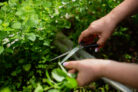
To make sure you’re getting the best quality leaves for using fresh or preserving, there are a few tips to keep in mind. Always wait for the dew or rainwater to dry off before you start cutting. To keep your harvest fresh and prevent mold, toss your cuttings into a wicker basket or a breathable cloth bag rather than plastic. Here’s your quick checklist for a perfect harvest:
- Aim for late morning or midday—after the dew has evaporated but before the afternoon sun gets too intense.
- Cut the stems back, leaving about 4 inches (10 cm) of growth.
- Only pick healthy-looking stems and leaves; skip anything that looks like it has fungus or spots.
- If it just poured rain, your mint might be a bit muddy. Give it a few days to clean up before harvesting.
- Always use sharp garden shears or scissors for a clean cut.
- If you find any damaged or diseased bits, toss them in the trash rather than the compost to keep your garden healthy.
Preserving Your Peppermint
If you’ve got more mint than you can use right away, there are two great ways to save that harvest for later. The most common method is drying the leaves for tea, but you can also freeze them in small portions.
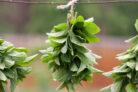
To dry your mint, bundle the stems together and hang them upside down. Try to avoid washing them first if you can, as water can strip away those precious aromatic oils. Find a warm, dry spot away from direct sunlight. In about three weeks, the leaves should be brittle enough to crumble easily between your fingers.
If you’re short on space (or patience!), you can dry the leaves in the oven at 140°F (60°C) for about six hours. Alternatively, try freezing them! Lay the leaves out flat on a tray so they don’t stick together and pop them in the freezer. Once they’re frozen solid, transfer them to a freezer bag or container. This way, you can grab exactly as many leaves as you need for a quick mojito or a recipe!