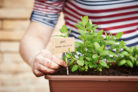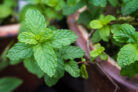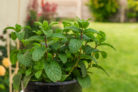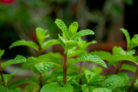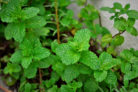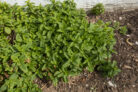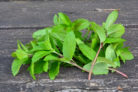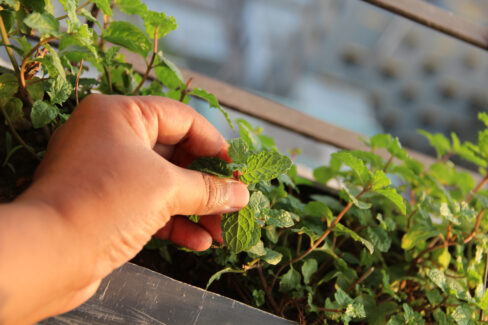
Peppermint is a superstar in the mint family, known for those aromatic leaves that make the perfect cup of homegrown tea. The best part? You don’t need a massive garden to grow it. Peppermint is actually one of the easiest herbs to cultivate right on your balcony!
Caring for Peppermint on Your Balcony
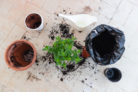
This hardy herb isn’t very demanding and thrives in pots or window boxes. One major perk of container gardening is that you don’t have to worry about a root barrier; if you plant mint directly in the ground, it’ll take over your whole yard via underground runners! For a happy balcony plant, here’s what you’ll need:
- A spot with partial shade
- Plenty of bright, indirect light
- Protection from heavy winds (constant wind can actually zap the aroma from the leaves)
- A large container with drainage holes
- Nutrient-rich potting soil
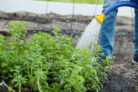
Your mint will be happiest in soil that’s packed with organic matter—mixing some compost into standard potting soil works wonders. Peppermint likes to stay consistently moist, but be careful not to overwater. Soggy roots lead to rot, and powdery mildew can show up quickly if things get too swampy. I recommend adding a layer of clay shards or gravel at the bottom of your pot for drainage. Every few weeks, give your mint a little boost with some fertilizer like horn meal or organic liquid feed. Just a heads-up: stop fertilizing right before and during flowering, as it can change the flavor of the leaves.
Overwintering Your Mint
Peppermint is pretty tough and winter-hardy, but plants in balcony boxes need a little extra TLC when the temperature drops. I like to place my pots on a piece of Styrofoam to insulate them from the cold floor. After cutting the plant back close to the soil, cover it with some garden fleece or evergreen branches. Pine boughs are great because they protect the plant while still letting those first spring sunbeams peek through to wake the plant up.
Sowing Peppermint Seeds
Want to start from scratch? You can easily sow peppermint seeds directly in your balcony containers. Set up your drainage layer, fill the pot with rich soil, and sprinkle the seeds on top. Don’t bury them! Mint seeds are “light germinators,” meaning they need light to sprout. Once the seedlings are big enough to handle, thin them out (prick them) and move them into larger pots or space them out well in your window box. Keep the young plants in a bright spot protected from the wind, but out of harsh, direct sunlight.