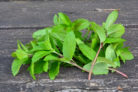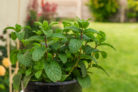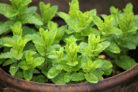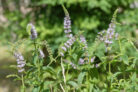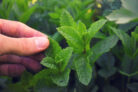
Growing peppermint in your garden is the best way to ensure you always have fresh leaves for tea and cooking. But if you’ve ever grown it, you know it can get a little wild! To keep your mint healthy and prevent it from taking over your entire yard, you’ll need to do more than just pick a few leaves here and there—regular pruning is key.
Harvesting for Fresh Use
The best time to do a major harvest is in June, right before those purple and white flowers start to open. This is when the essential oils are most concentrated, giving you the best flavor. When you cut, go pretty low—down to just above a pair of leaves—but leave a few stems alone if you want to enjoy the blooms. Of course, feel free to snip off individual leaves whenever you need them for a mojito or a fresh pot of tea! Once the flowering season ends, you’ll notice the plant starting to grow back nice and thick.
The Second Cut
Once your peppermint has bounced back from the first harvest, you can go in for a second round right before it blooms again (though the second flowering is usually a bit smaller). If you want the plant to self-seed, leave a few flower stalks standing and wait until November for your final winter cleanup. If you’d rather keep it contained, go ahead and cut the whole thing down close to the ground in late August. This helps the plant prep for winter and stops it from spreading too aggressively. If we have a mild autumn and it starts sprouting again, just give it a quick trim in November.
Pro Tips for Pruning
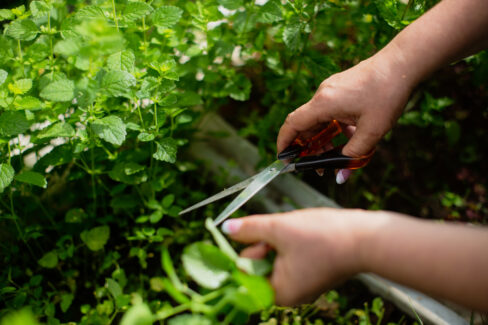
To get the best results, always use a sharp, clean pair of garden shears or a knife. It’s a good idea to disinfect your tools first so you don’t accidentally spread any plant diseases. Here’s the game plan:
- In the spring, keep your pruning light.
- Always leave at least one pair of leaves above the soil line so the plant can regrow.
- Plan for your big “radical” cut in the fall.
- For the winter cut, take it down almost to the ground.
- In colder climates, toss a little brush or evergreen branches over the rootstock to protect it from the frost.
You can still dry and store the mint you cut in the fall, though you might notice the flavor isn’t quite as punchy as the spring harvest. These late-season cuttings are also great for garden mulch, fragrant dried bouquets, or just tossing into the compost pile.
Don’t be afraid to give your peppermint a “haircut” several times a year to keep it looking tidy. It won’t hurt the plant at all—in fact, it actually encourages it to grow back even bushier!