As our climate shifts and summer temperatures start to sizzle, finding the right trees for our backyards has become a bit of a game-changer. You want something that won’t wilt the moment a heatwave hits! We’ve rounded up seven of the most popular heat-resistant trees that can handle the sun like a pro, plus one “insider tip” that’s a total powerhouse.
[[pflanzen]]
++Flowering Ash (Fraxinus ornus)
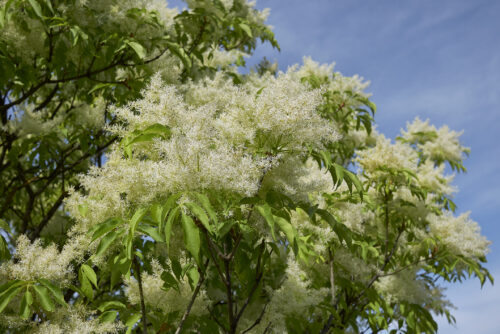
The name says it all! This beauty is famous for its creamy-white flower panicles that can grow up to eight inches long. From a distance, they look like delicate bouquets tucked into the branches. They bloom from May to June, smelling sweet and acting like a magnet for pollinators. Since it’s originally from the Mediterranean, the Flowering Ash is a fantastic, drought-tolerant choice for honeybees. You’ll also love its elegant feathery leaves, which turn a stunning golden yellow once fall rolls around.
++Japanese Pagoda Tree (Sophora japonica)
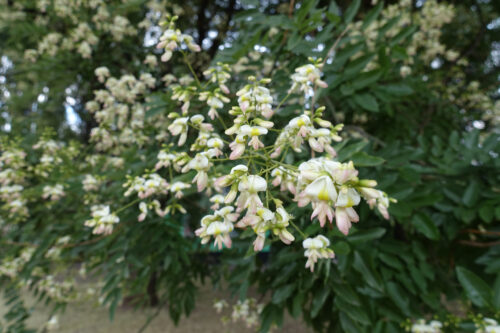
This tree is a real winner for more than just its heat tolerance. It’s a late bloomer, showing off its flowers from late July through August—a time when many other nectar sources have dried up. The yellowish-white blossoms eventually turn into decorative seed pods that look like beads on a string (hence its other name, the “String Tree”). It can reach heights of up to 80 or 90 feet, creating a massive, spreading canopy that provides some seriously refreshing shade on a hot afternoon.
++Hedge Maple (Acer campestre)
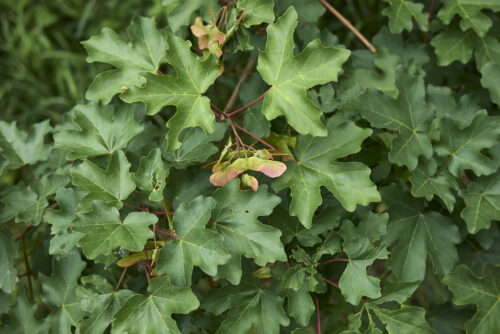
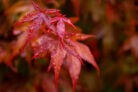
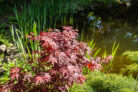
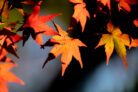
Reaching heights of 15 to 50 feet, the Hedge Maple is a great medium-sized option for many yards. It’s a real showstopper in the fall when its lobed leaves turn a vibrant yellow or orange. The Hedge Maple loves the warmth and handles both intense heat and dry spells like a champ. Plus, it’s incredibly hardy in the winter and doesn’t mind a windy spot, making it a very low-maintenance neighbor for your garden.
++Wild Service Tree (Sorbus torminalis)
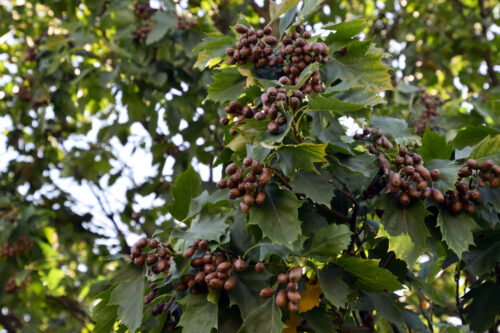
If you want to invite more birds into your yard, the heat-loving Wild Service Tree is a perfect pick. In late spring, it produces clusters of white flowers that bees absolutely adore. These turn into small, egg-shaped fruits that transition from yellow to brown. The fall foliage is a gorgeous yellow-orange that fits perfectly in a naturalistic garden. Just a heads-up: while it loves the heat, it can be a little sensitive to extreme cold when young, so give it a bit of protection until it’s fully established.
++Mulberry Tree (Morus)
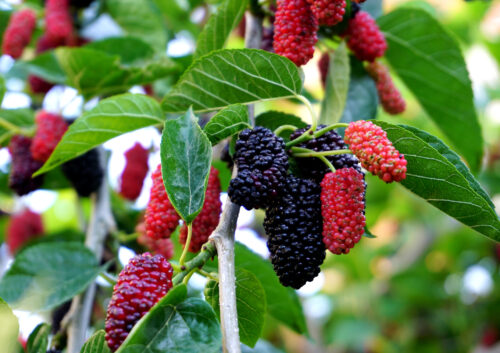
There are three main types of Mulberries: White (from China), Black (from the Middle East), and Red (native to North America). These deciduous trees are a bit of a “late riser” in the spring, blooming in May and June. They produce delicious berries that look a bit like blackberries—ranging from white to deep purple. Since the fruit doesn’t stay fresh for long after picking, they’re the ultimate “garden snack.” Once they’ve settled in, Mulberry trees are surprisingly tough, heat-resistant, and easy to care for.
++Northern Catalpa (Catalpa speciosa)
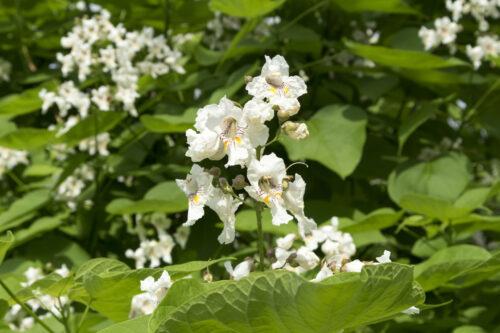
The Catalpa is becoming a fast favorite for urban gardeners because it handles summer heat and city pollution like a pro. It often grows with multiple trunks and features massive, heart-shaped leaves that provide deep, cool shade. In early summer, it’s covered in beautiful, trumpet-shaped white flowers, followed by long, bean-like seed pods that add a unique look to your winter landscape.
++Sweetgum (Liquidambar styraciflua)
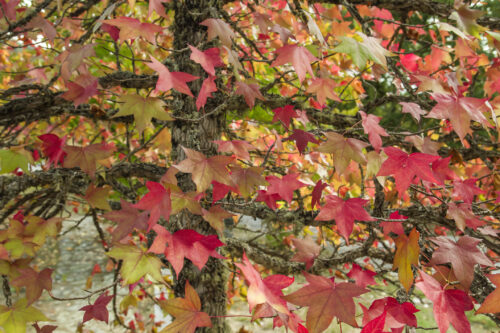
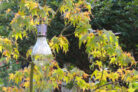
If you have a spot with full sun all day long, the Sweetgum will thrive there, potentially reaching impressive heights. Its glossy, star-shaped leaves are famous for their brilliant fall display of fiery reds and oranges. Another cool feature? The “corky” ridges on its bark and its spiky, spherical seed balls. It’s a tough, heat-tolerant tree that brings a lot of architectural interest to a large landscape.
%%Butternut (Juglans cinerea)
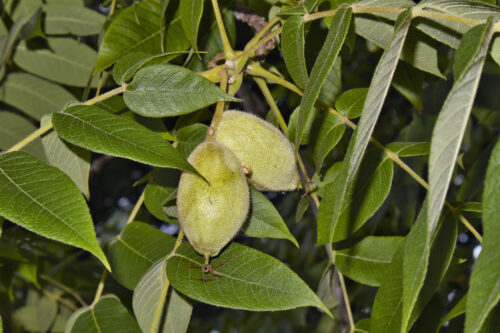
Here is our secret tip: the Butternut! This tree is practically bulletproof. It doesn’t care about summer heatwaves, freezing winters, or even road salt and exhaust. Its large, fuzzy leaves can grow up to two feet long, and its bark eventually gets so thick that it can even survive minor forest fires! By September, it produces delicious nuts with a rich, buttery flavor that are a real treat if you can beat the squirrels to them.