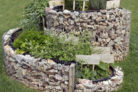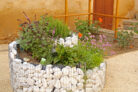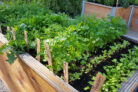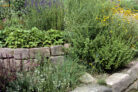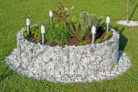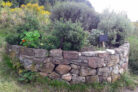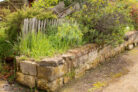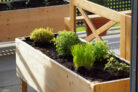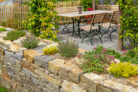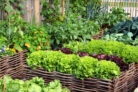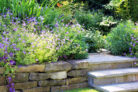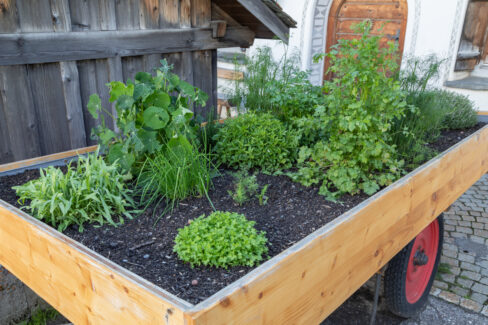
A herb spiral isn’t just a pretty focal point for your backyard; it’s actually a brilliant piece of garden engineering! The folks who came up with this design were geniuses—by using a vertical spiral shape, you can pack four different microclimates into one tiny footprint. That means it really matters where you plant each herb to make sure they all thrive.
Herbs for the Water and Moist Zones
Down at the very bottom, we have the “Water Zone.” This area is nutrient-rich and stays submerged (except for the very edges). It’s the perfect home for watercress, brooklime, sweet flag, and water chestnuts. Moving just slightly up, we hit the “Moist Zone.” This damp soil is exactly what these herbs crave: wild garlic, dill, lady’s mantle, bee balm, chives, sorrel, and parsley.
Herbs for the Moderate Zone
- Coriander (Cilantro)
- Nasturtium
- Fennel
- Chervil
- Salad Burnet
- Calendula (Pot Marigold)
The Kings of the Hill: Herbs for the Top
If your herb spiral is in a sunny spot and positioned facing south (which is the gold standard), the peak is going to be hot and bright. The soil up there is “lean” (not too many nutrients) and stays dry thanks to a high sand content. This makes it a perfect home-away-from-home for Mediterranean favorites like lavender, marjoram, oregano, sage, and rosemary.
Basil and the Herb Spiral
Basil is a bit of a diva and can be tricky to fit into a herb spiral’s ecosystem. It loves the heat and light found at the top, but it also demands moist, nutrient-rich soil. If you water and fertilize the top of the spiral enough to keep basil happy, the neighboring Mediterranean herbs will hate it. Plus, if you put it at the bottom where it’s damp, slugs—who think basil is a five-star buffet—will find it in no time. Your best bet? Keep your basil in a separate pot.
Quick Tip:
Can herbs help keep wasps away? You bet! Basil is a great natural deterrent. Keep a pot near your patio seating, or crush a few leaves and rub them on your skin to keep the pests at bay.
Watch Out: Rosemary is Frost-Sensitive
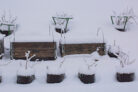
Rosemary belongs at the very top of your spiral. It’ll be happy as a clam all summer long, but it might not survive a harsh winter freeze in that exposed spot. I recommend growing your rosemary in a pot nestled into the soil, or simply digging it up every fall to let it overwinter in a cool, frost-free spot indoors.
Some Herbs Just Don’t Play Well with Others
A few herbs are just too “extra” for a compact spiral. Lovage, southernwood, and peppermint spread like wildfire and will quickly choke out their neighbors unless you are constantly pruning them back. Then there’s wormwood—it releases secretions that most other plants can’t stand, so it’s best kept in its own corner of the garden.
Planting vs. Sowing
There are two ways to get your spiral green. The “instant gratification” route is to buy starter plants and tuck them in. However, you can also sow seeds directly into the spiral for most varieties. Just keep an eye on the calendar for frost-sensitive herbs; wait until late April or even mid-May to sow those non-hardy types.
Quick Tip:
After filling your spiral, the soil needs time to settle. Wait at least two weeks before you start planting or sowing. If you notice any spots have slumped significantly, just top them off with a little extra soil first!