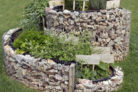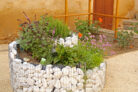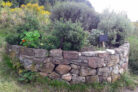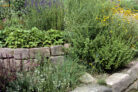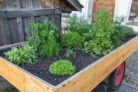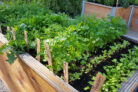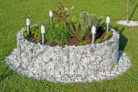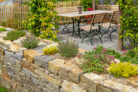
A herb spiral is a total game-changer for any backyard. The magic lies in how it packs four distinct climate zones into one tiny footprint, giving every herb its own “happy place” with perfect growing conditions. But here’s the secret: you can’t just dump standard potting soil into the whole thing and expect a bumper crop. To get those herbs thriving, you need to customize the soil for each section.
The Four Zones of a Herb Spiral
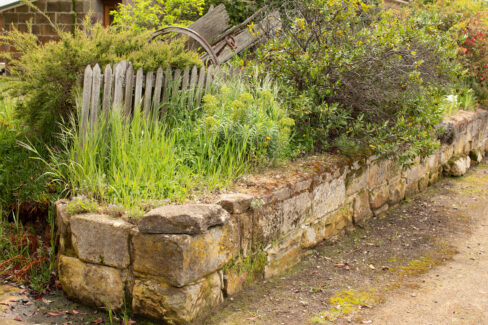
A herb spiral (sometimes called a herb snail) isn’t just a pile of rocks—it’s designed with specific rules to create an ideal microclimate. Ideally, you’ll want to build yours in a sunny spot facing south. It starts wide at the base and winds upward into a narrow peak. This structure naturally creates four climate zones. Starting from the bottom, we have:
- The Water Zone
- The Moist Zone
- The Temperate Zone
- The Mediterranean Zone (Dry Zone)
Each of these spots needs a specific soil “cocktail” tailored to the types of herbs that live there.
Quick Tip:
If you want to grow a wide variety of herbs, aim for a footprint of about 30 to 60 square feet (3 – 6 square meters). You can definitely go smaller, but you’ll have to limit the number of plants so they don’t get crowded and have room to really flourish.
Patience is Key: Fill Two Weeks Before Planting
When starting your herb garden, timing is everything. Once you’ve filled your spiral with soil, wait at least two weeks before you start planting your herbs. This gives the soil time to settle. If the levels drop after a rain, you can top them off before the seeds or seedlings go in.
DIY Soil Mixes for the Four Zones
You don’t need to buy anything fancy; you can easily mix these four substrates yourself. Most of what you need is likely already in your yard or at the local garden center.
- Water Zone: Use rich compost along the “shoreline” area.
- Moist Zone: A 50/50 mix of loamy garden soil and screened compost.
- Temperate Zone: Equal parts garden soil, sand, and compost.
- Mediterranean Zone: A 50/50 mix of garden soil (or lean herb soil) and sand.
No matter what material you use—whether you’re building with fieldstones, retaining wall blocks, or something else—make sure to start with a 4-inch layer of gravel at the very bottom. This provides a stable foundation and prevents “wet feet” (root rot). Pro tip: Lay down some hardware cloth (fine wire mesh) under the gravel to keep hungry voles and gophers from moving in!