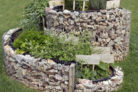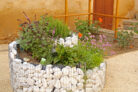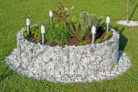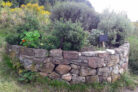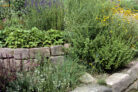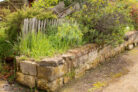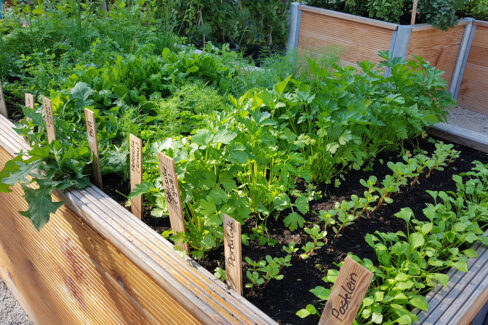
A herb spiral (sometimes called a herb snail) is a total game-changer for your garden because it creates four distinct microclimates in one small footprint. This means you can grow a huge variety of herbs with completely different needs right next to each other. All you have to do is tuck each plant into the spot where it feels most at home.
The Four Zones of a Herb Spiral
To get the most out of your spiral, build it in a sunny location and make sure it’s facing south. This setup naturally creates four zones for planting. Working from the bottom to the top, they are:
- The Water Zone
- The Damp Zone
- The Temperate Zone
- The Dry Zone (also known as the Mediterranean Zone)
Pro tip: Don’t rush into planting! Once you’ve finished filling your spiral with soil, let it sit for at least two weeks so the earth can settle.
Herbs for the Water Zone
Believe it or not, some herbs actually love having “wet feet.” This zone is perfect for things like watercress, brooklime, sweet flag, and water caltrop. Since these aren’t your everyday kitchen staples, many gardeners choose to skip this zone entirely—but it’s a fun addition if you want to experiment!
Herbs That Love the Damp Zone
This area stays consistently moist and is the happy place for:
- Wild garlic (Ramps)
- Dill
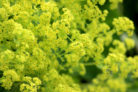
- Lady’s mantle
- Bee balm (Scarlet monarda)
- Chives
- Sorrel
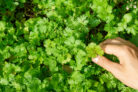
- Parsley
If you run out of room here, don’t worry—chives and parsley are pretty flexible and will also do just fine in the temperate zone.
The Temperate Zone and Its Herbs
The middle section of the spiral is home to many annual culinary and medicinal herbs that you’ll likely replant every year. Some fan favorites include:
- Nasturtium
- Cilantro (Coriander)
- Fennel
- Chervil
- Salad burnet
- Calendula (Pot marigold)
Quick tip: Before you start digging, do a little homework on which herbs make good neighbors. Pairing the wrong plants can stunt their growth and leave you with a disappointing harvest.
Herbs for the Top of the Spiral
The very peak of the spiral is where things get hot, dry, and the soil stays lean—basically, it’s a vacation to the Mediterranean! This is where your sun-loving herbs will thrive. Oregano, thyme, marjoram, sage, lavender, and rosemary grow most vigorously here. Plus, the intense sun helps them develop those rich, aromatic oils we love.
A Note on Basil and Rosemary
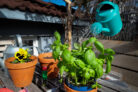
While basil loves the sun at the top of the spiral, it usually finds the soil there too dry and nutrient-poor. On the flip side, if you put it in the damp zone, it becomes a magnet for slugs. Your best bet? Keep your basil in a separate pot where you can control the moisture.
Rosemary loves the dry zone during the summer, but it’s a bit of a “snowbird”—it hates the cold. Since it’s frost-sensitive, you’d have to dig it up every fall to bring it inside. To save yourself the hassle, I recommend growing rosemary in its own pot from the start.
Herbs to Keep Out of the Spiral
Some herbs are just “space hogs” or “bullies” that will take over the whole spiral or release substances that stunt their neighbors. Keep lovage, peppermint, southernwood, and wormwood in their own separate garden beds or pots to keep the peace!