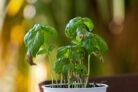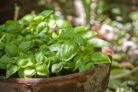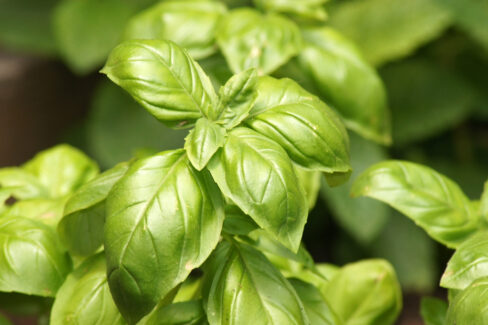
Who doesn’t love the spicy, fresh scent of basil? It’s a staple in kitchens across the U.S., but did you know this herb actually hails from the tropics? Let’s dive into where this garden favorite comes from and how you can keep it happy in your own backyard.
The Origins of Basil
While we can’t pin down its exact “birthplace” with 100% certainty, most experts agree that basil’s roots are in Asia. It grows naturally throughout the tropical and subtropical regions of India, where records show it was being used as both a spice and a medicinal herb as far back as 1000 B.C.
But India isn’t the only place with ancient ties to the herb. Archaeologists have actually found basil wreaths tucked away in Egyptian burial chambers! It’s been cultivated in that region since ancient times. It eventually made its way to Europe around the 12th century. Since then, breeders have developed tons of new varieties—some of which are much tougher and better suited for our slightly cooler climates.
What Basil Needs to Thrive
Since basil is a tropical native, it’s a total sun-worshipper and loves the heat. For the best results, your soil should ideally have a pH between 6.5 and 7.2. Keep an eye on the temperatures , too—if it drops below 60°F (15°C), the plant will stop growing and start to look pretty sad. When the plant is stressed by the cold, it also becomes a magnet for diseases or pests.
When choosing a spot for your basil, go for somewhere bright. Just a heads-up: while it loves light, scorching midday sun can sometimes be a bit much for the leaves. Whether it’s on a sunny windowsill, in a greenhouse, or out in the garden, basil is happy as long as it’s cared for.
When it comes to water, basil likes to stay consistently moist. Be careful not to overdo it, though—soggy soil leads to root rot, which is a death sentence for the plant. On the flip side, if it gets too dry, the leaves will wilt. Luckily, a quick watering usually perks them right back up!
Basil definitely won’t survive a frost. However, you can overwinter it if you bring it indoors and keep it at temperatures around 60°F. If you pull it off, you’ll be rewarded with a massive harvest the following year.
Pro Tip: Basil isn’t just for pesto! It has a long history as a healing plant and remains a cornerstone of Ayurvedic medicine in India today.