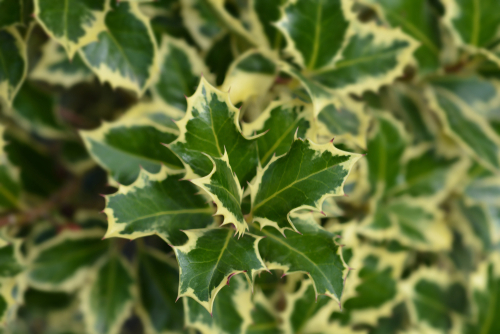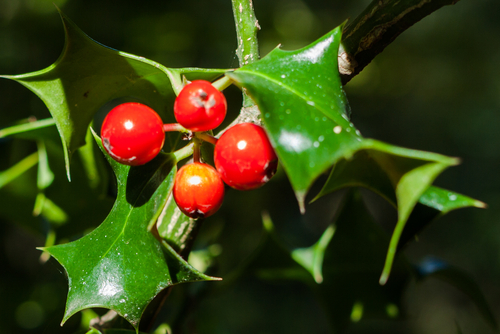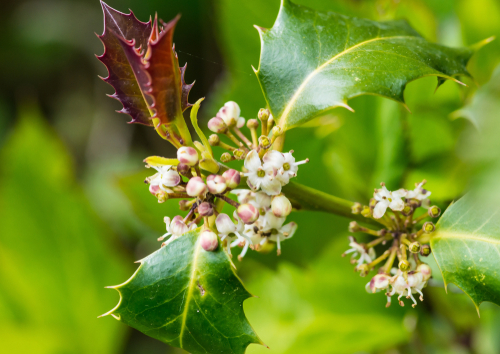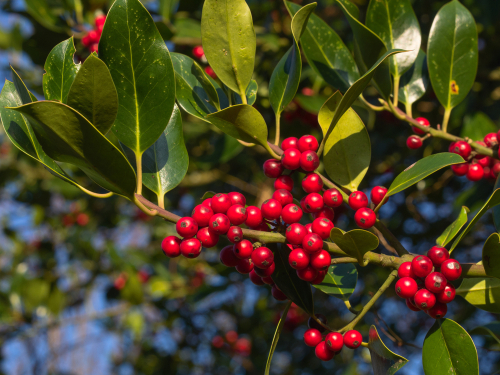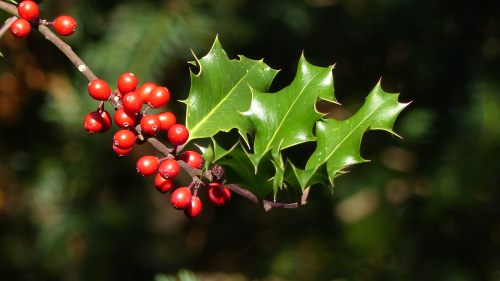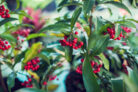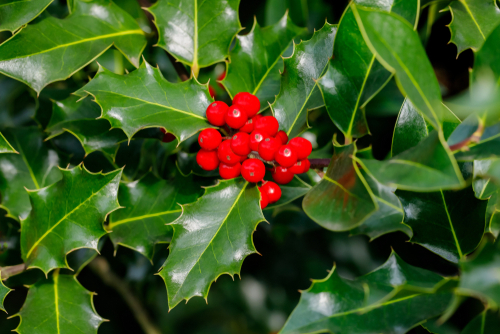
The Holly, or *Ilex* as we garden nerds like to call it, is such a classic addition to any backyard or landscape. It’s a real year-round performer, showing off dainty white flowers in the spring and those iconic, bright red berries in the fall that local birds absolutely love to snack on.
Those Famous Holly Berries
The real star of the show in autumn is definitely those clusters of vibrant red berries. While they look like a festive treat and are a favorite for our feathered friends, they are actually quite toxic to humans.
Because of this, you might want to think twice before planting a Holly bush right next to a playground or in a yard where little ones run around. Our furry friends need to keep their distance, too! Even eating just a few berries can cause a serious reaction in both people and pets, and in the worst-case scenarios, it can even be fatal.
With anywhere from 400 to 600 different species of Holly found across the globe, you’ll see a huge variety in foliage and fruit colors. While red is the “classic” look, you can also find varieties with yellow, brown, or even black berries.
One thing to note: true blue berries are incredibly rare in the *Ilex* family.
Holly at a Glance: What You Need to Know
If you’re thinking about adding a Holly to your garden, here’s a quick cheat sheet of the essentials:
- Blue berries are very rare on true Holly plants.
- Red is the most common berry color, but yellow, brown, and black exist too.
- Holly berries are highly toxic to both humans and pets.
- It only takes a couple of berries to start showing signs of poisoning.
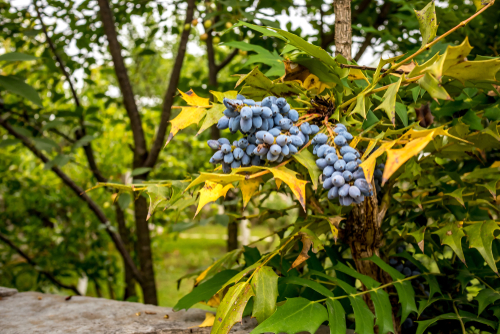
- If you see a shrub with prickly green leaves and bright blue berries, it’s likely a Mahonia, not a Holly.
The Holly Look-Alikes
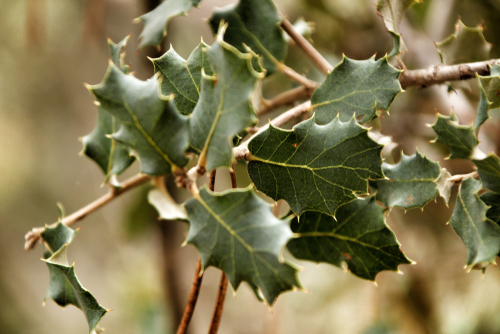
There’s one plant in particular that often gets mistaken for Holly: the Oregon Grape, or *Mahonia*. In the fall, it produces clusters of dusty blue berries and features dark green, glossy, prickly leaves that look strikingly similar to *Ilex*.
The big difference? *Mahonia* berries aren’t toxic—they’re actually part of the barberry family. Some folks even use them to whip up homemade jams! That said, if you aren’t 100% sure what you’re looking at, it’s always best to play it safe and leave the berries for the birds to enjoy during the winter.