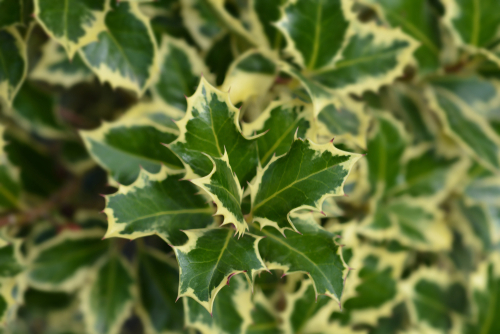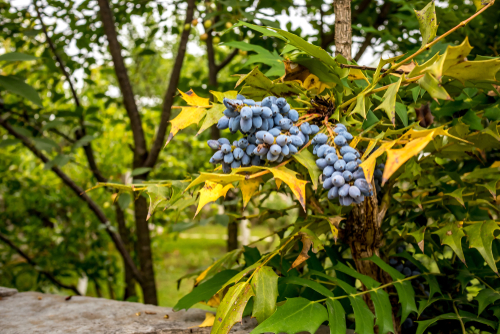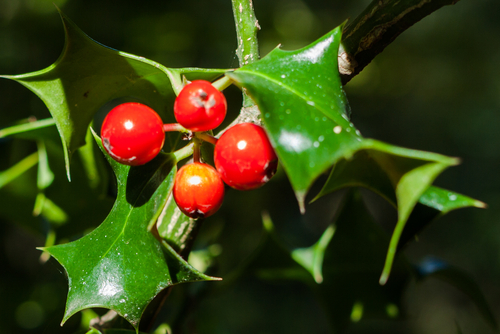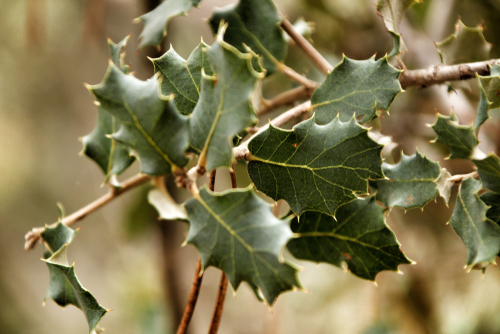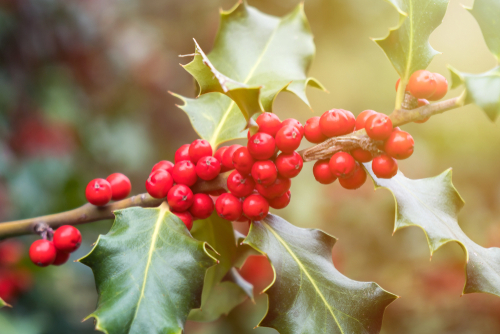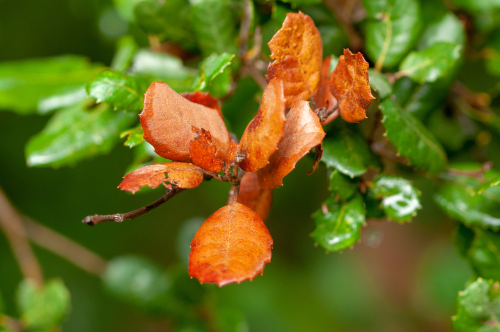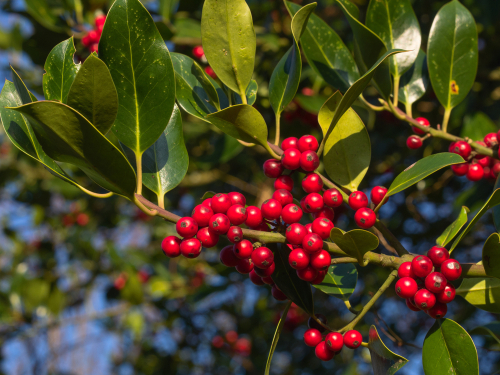
Common Holly (or *Ilex*, as we plant nerds like to call it) is a total staple in American landscapes. Since it’s evergreen, it keeps your garden looking lively all year round, and those iconic red berries in the fall? Absolutely stunning. But even though Holly is pretty tough, it still needs the right “home” to really thrive.
The Secret Sauce for a Happy Holly
Hollies are generally low-maintenance shrubs or trees that can handle most decent garden soils. However, if you want your plant to really pop, there are a few things you should keep in mind before you start digging:
- A spot with full sun to partial shade
- Rich, well-draining soil
- Consistently moist (but not soggy!) ground
- No standing water
- A little fertilizer boost in the spring
- Minimal pruning (less is more here!)
Finding the Perfect Spot
The “sweet spot” for your Ilex is somewhere that gets plenty of sunlight but also enjoys a few hours of shade during the day. While Holly can handle the sun, it can get a bit stressed out if it’s baking in intense, direct heat all day long.
As for the dirt, you’re looking for soil that is loose, nutrient-rich, and holds moisture well. Before you plant, make sure to loosen up the soil nice and deep so those roots have plenty of room to stretch out. Mixing in some aged compost is a great move—it improves the soil texture and gives the plant a natural nutrient boost.
If you’re not sure what you’re working with, grab a soil test kit! It’ll tell you your pH levels and mineral content so you can add exactly what your garden needs.
One dealbreaker for Holly is “wet feet.” They hate standing water, so drainage is key. I recommend adding a drainage layer—like a bit of gravel or broken terracotta pieces—at the bottom of the planting hole. If you’re growing your Holly in a container, a drainage layer is a must-have.
Keeping Your Holly Happy
Once you’ve picked the right spot, the main job is keeping the soil moist. Hollies aren’t big fans of drought, so make sure to give them extra water during dry summer spells and even during those dry winter months. In the early spring, right before the new growth starts, give them some food. I prefer low-lime organic fertilizers like horn meal or more of that good old compost.
To keep the plant looking fresh, you can snip off any old or awkwardly long branches in the spring. Just don’t go overboard! Holly grows pretty slowly, so you don’t want to get too aggressive with the shears.