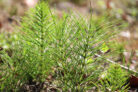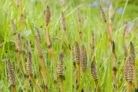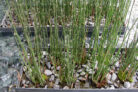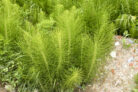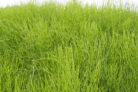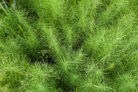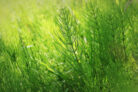
Horsetail is rarely a welcome guest in the garden, mostly because it has a reputation for being one of the most stubborn weeds out there. If you’re looking for ways to kick it to the curb, there are plenty of methods floating around—but which ones actually work? Let’s dive in and find out!
Tough as Nails
Once horsetail moves into your garden, it’s incredibly hard to get rid of. Standard weed killers usually do little to nothing when it comes to permanently removing this plant. This resilience is actually an evolutionary superpower—horsetail has been around for millions of years, meaning it has developed some seriously effective survival strategies. It’ll keep growing happily even in the toughest conditions.
Unfortunately, the plant is also an expert at spreading. It develops rhizomes (underground stems) that send out runners. These don’t just go deep; they spread wide, too. Eventually, these runners can reach lengths of several yards. To make matters worse, horsetail has a second way of multiplying: it releases spores that get carried off by the wind.
Getting Rid of Horsetail Naturally
There are several natural ways to show this uninvited guest the exit. Most of these methods focus on loosening up the soil to prevent waterlogging. While many plants love well-draining soil, horsetail definitely does not. Planting a “green manure” cover crop is a great way to fight back. Lupines are particularly good for this because their long roots break up the earth as they decompose, making the soil much more permeable.
But that’s not your only option. Here are a few other ways to tackle horsetail:
- Install a drainage system
- Add lime and loosen the soil
- Sift out root remains
- Manually pull the plants
- Cut off the spore-bearing cones in spring
You can skip the chemical weed killers entirely when dealing with horsetail. They only work on the surface, and as we mentioned, this troublemaker’s roots go deep. The chemicals just won’t reach them. A chemical “scorched earth” approach would likely hurt your other plants while leaving the horsetail standing.
Green Manure and Lime: Your Game Plan
Horsetail might be tough, but it hates dry soil. You want rain or irrigation water to drain away quickly. If your soil is heavy and compact, you should consider installing drainage before you even plant a bed or sow a lawn. Also, a massive horsetail breakout can be a sign of acidic soil. You can fix this by adding lime, which should give you a noticeable edge in your battle against the weed.
Digging Up the Rhizomes
This method requires some serious elbow grease. Since the roots go so deep, digging them up isn’t a 100% guarantee, but it will significantly slow down the growth. Carefully loosen the soil and pick out every rhizome you find. Afterward, sift through the dirt to catch any tiny root fragments. You’ll likely need to repeat this “busy work” a few times. Pro tip: Always use a garden fork. A shovel or spade might accidentally slice the roots and push them deeper into the ground.
Horsetail in the Lawn: Now What?
Finding horsetail in your garden beds is annoying, but finding it in your lawn is a real headache. It’s even harder to win the fight here. While you could technically dig up the whole lawn and start over, that’s a massive project.
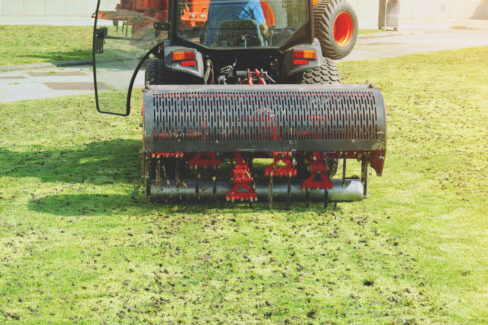
Instead, try some preventative maintenance. Dethatching (verticutting) your lawn can help by strengthening the grass and making it grow thicker, which crowds out the horsetail. Again, use lime if your soil is too acidic to give your grass a boost. Also, try not to mow your grass too short.
Another trick is “smothering.” This involves covering the affected area with a dark tarp or plastic sheet. Sure, the grass underneath will turn brown, but that’s an easy fix compared to the weed. If you want to get rid of horsetail without excavating your entire yard, this is worth a shot.
Horsetail as a Potted Ornamental
Horsetail has gotten a pretty bad rap in this article so far, but to be fair, some varieties are actually used as ornamental plants in pots. Some types are even edible or valued as herbal remedies. When brewed into a tea or broth, horsetail can protect roses from mildew and other diseases. It also works as a great natural fertilizer for roses when fermented into a plant wash.
If you want to enjoy these benefits without the garden takeover, keep your horsetail in a pot. This stops the uncontrolled spreading before it starts. Just be sure to snip off any spore cones as soon as you see them, and never toss horsetail scraps onto your compost pile—make sure they are completely destroyed instead!