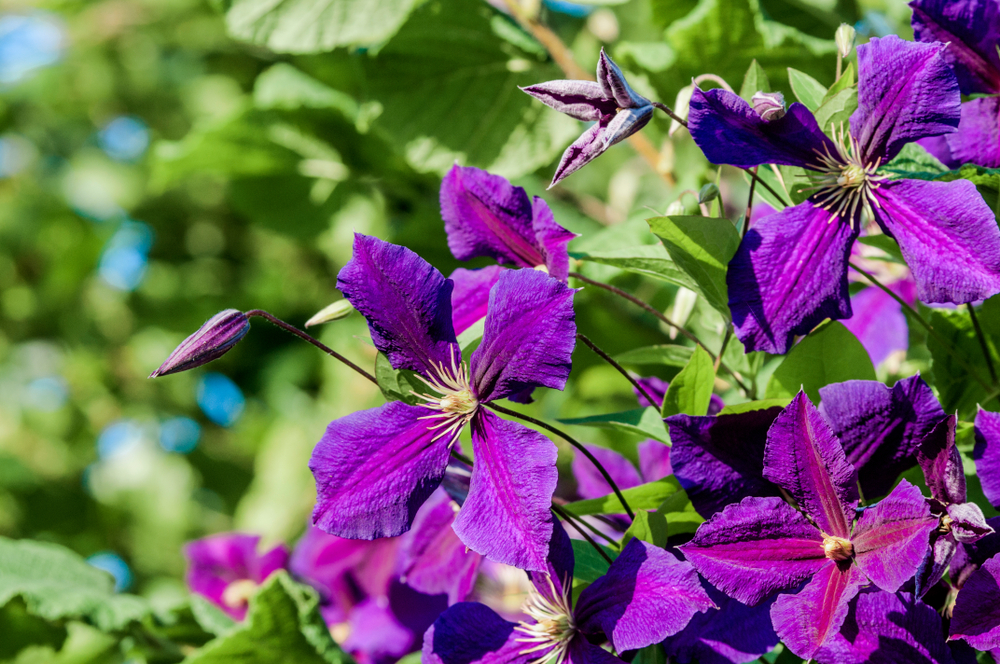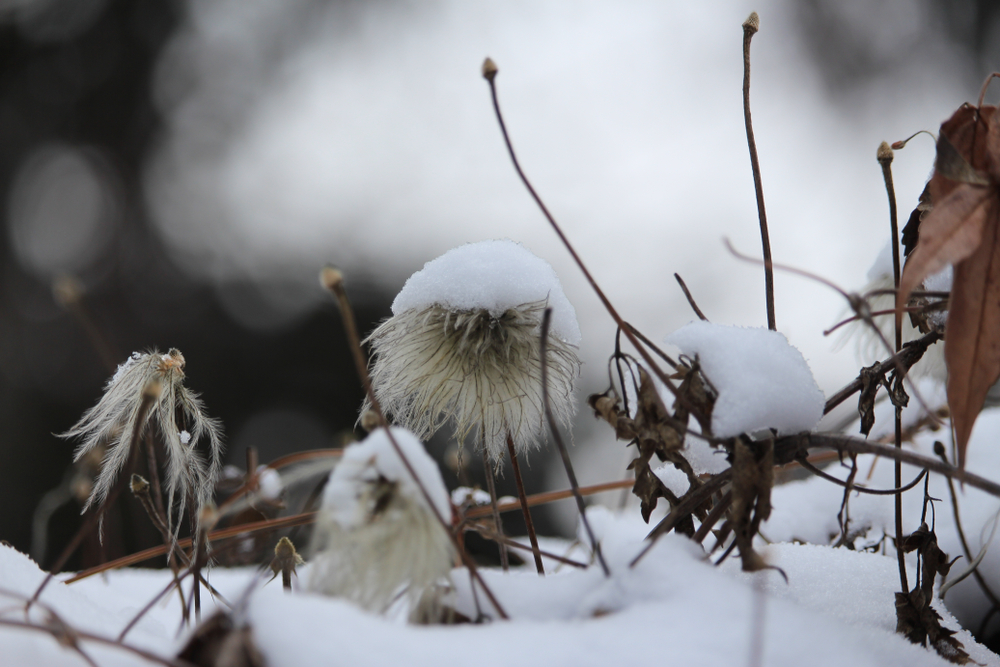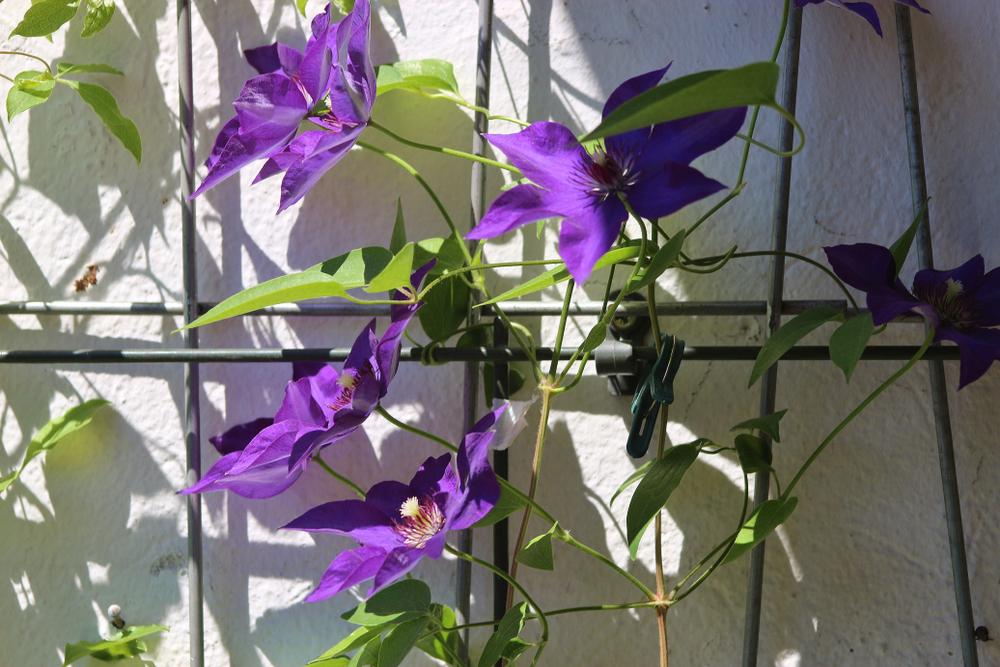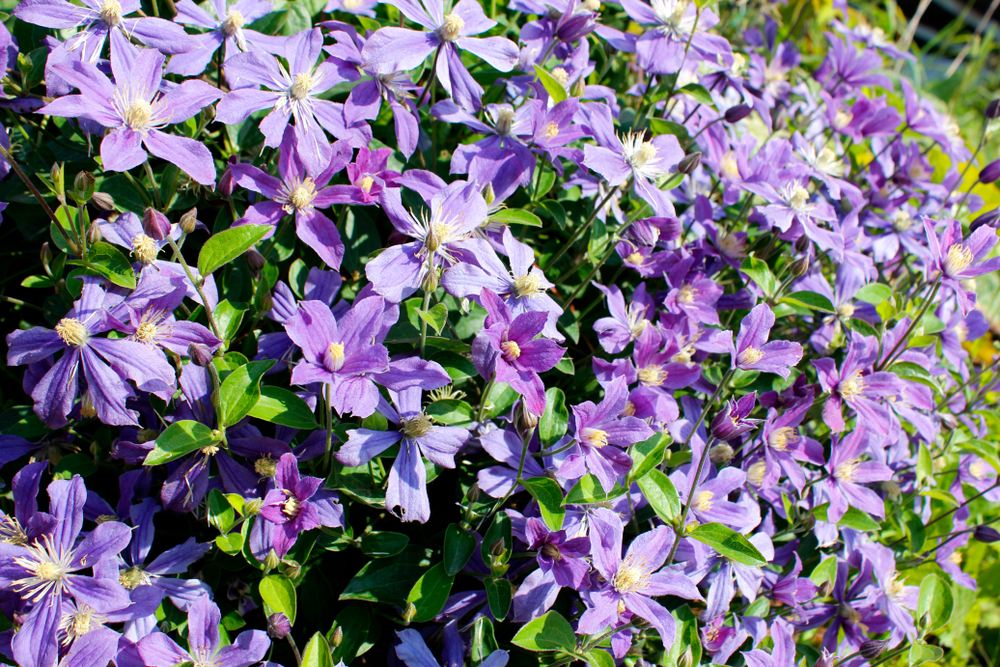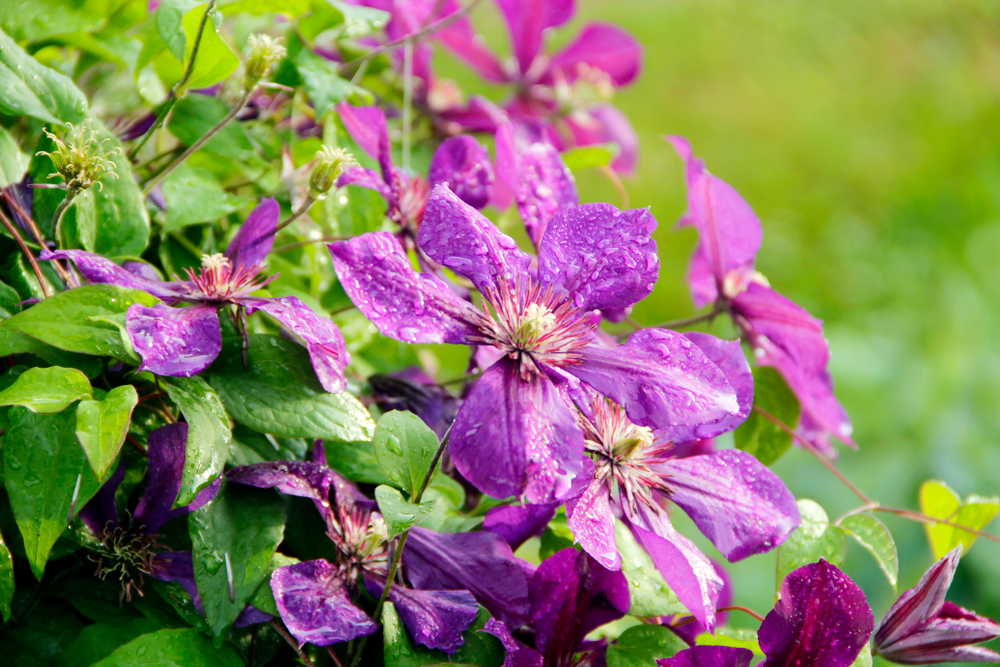
It’s no secret why the Clematis (often called the “Queen of Climbers”) is such a garden favorite—it’s all about that stunning burst of floral color. But to get those show-stopping blooms, you’ve got to give your Clematis a little TLC. Whether it’s staying on top of watering, getting the fertilizer just right, or knowing when to grab the shears, a little knowledge goes a long way. Plus, keeping an eye out for common pests and diseases will keep your vines thriving for years.
Keep Those Roots Cool and Moist
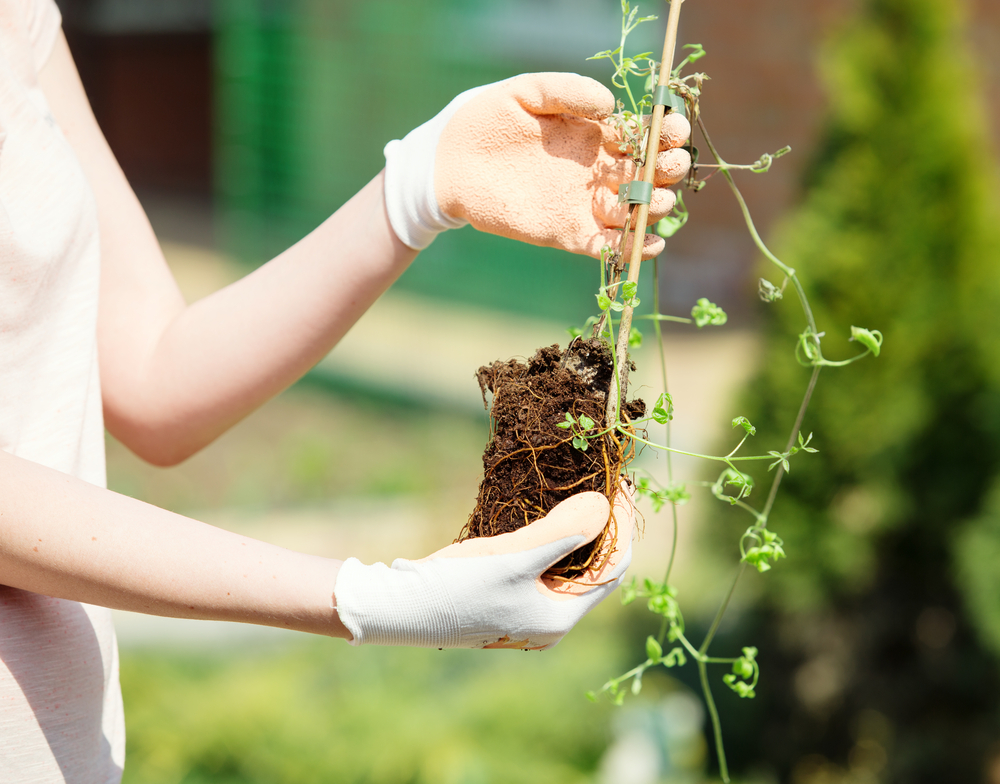
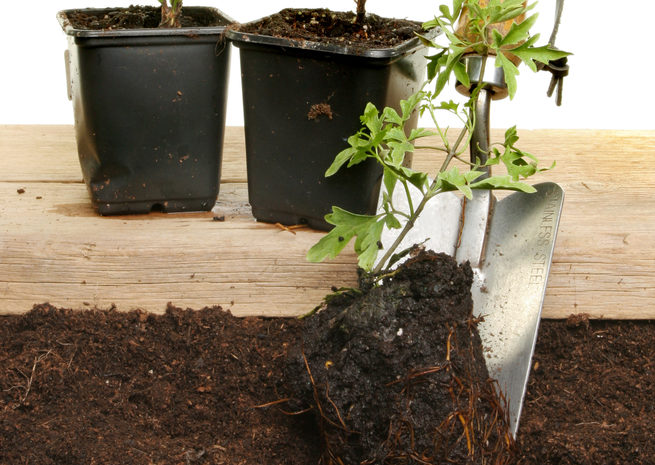
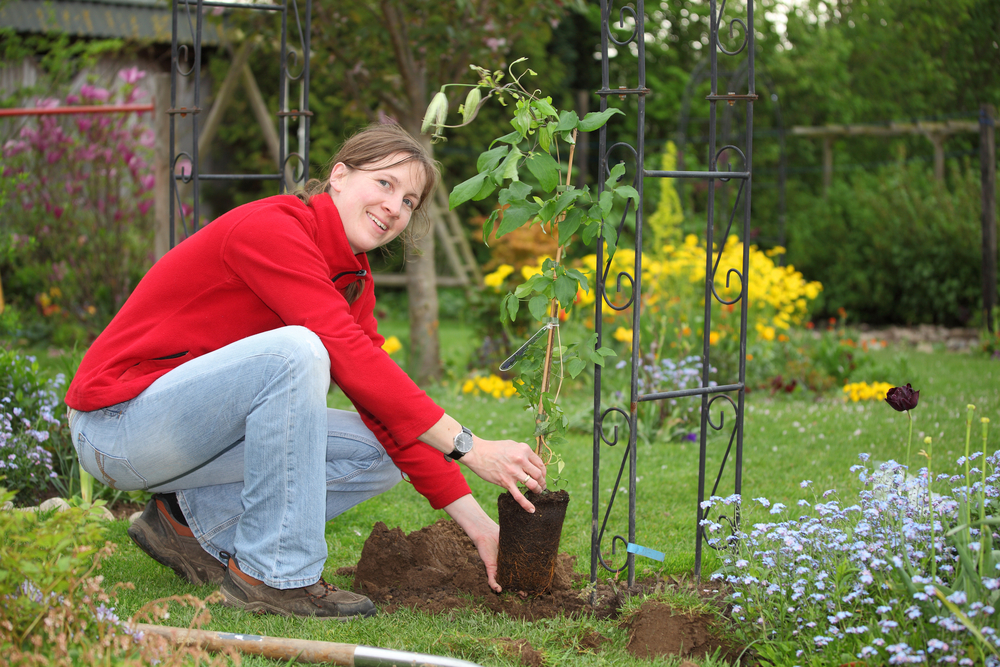
Besides plenty of sunlight and nutrient-rich soil, there’s one thing a Clematis craves above all else: consistent moisture. These plants love soil that stays “pleasantly damp.” When you’re planting, it’s a smart move to add a layer of gravel or crushed stone at the bottom of the hole for drainage. This prevents the roots from getting “wet feet” during a heavy downpour. On the flip side, you’ll want to check the soil regularly to make sure it hasn’t dried out. When you water, aim directly at the root zone to keep the hydration going where it’s needed most.
Feeding Your Clematis
Producing all those lush green leaves and vibrant flowers takes a lot of energy! To keep your plant from running on empty, regular fertilizing is key. I recommend using a specialized organic-mineral fertilizer twice a year: once between March and April, and again between June and July. About 3.5 ounces (100 grams) per square yard should do the trick.
If you prefer to go the fully natural route, compost and horn shavings are great alternatives. However, you’ll need to be a bit more diligent, feeding the plants every 8 to 14 days from March through September. If you’re growing your Clematis in a container, they’ll need even more frequent snacks—about 1.5 ounces (40 grams) of fertilizer granules every four weeks during the growing season. Pro tip: Always give your plants a deep soak after fertilizing to help the nutrients reach the roots.
Pruning with Confidence
Pruning can feel a bit intimidating, but it’s essential for a healthy vine. The “when” and “how” really depend on which variety you have. Generally, we categorize them into three pruning groups:
- Pruning Group 1 includes the early bloomers. You’ll want to trim these back right after they finish flowering in May or June. You can cut the stems back by about a third or even a half.
- Pruning Group 2 covers the mid-summer bloomers. These should be pruned in August or September. Aim to take off at least a third of the growth.
- Pruning Group 3 consists of the late-summer and fall bloomers. You have some flexibility here—you can prune them in late fall (November/December) or wait until early spring (February/March). These varieties usually benefit from a pretty heavy cut.
Don’t be afraid to be bold with young plants! In their first spring, cutting them back to about 12 to 20 inches (30-50 cm) will encourage the vine to branch out and become much bushier and fuller.
Watching Out for Diseases
The biggest health threat to your vine is Clematis Wilt. You can spot this early on by looking for brown spots with yellow halos on the leaves. Eventually, the leaves turn completely brown, and the wilt spreads down the stems. Since this is a fungal issue, it’s vital to remove any infected foliage immediately. Don’t toss them in your compost pile! Put them in the trash so the fungus doesn’t spread. You may also want to treat the plant with a fungicide.
Powdery mildew is another common culprit, showing up as a white, flour-like coating on the leaves. You can use commercial treatments like sulfur or copper-based sprays. If you want a home remedy, try a mixture of one part fresh milk to ten parts water (about 100ml of milk per liter of water) and spray the leaves.
Common Pests
Keep an eye out for these uninvited guests:
- Aphids
- Vine Weevils
- Earwigs
- Thrips
- Woodlice
The best defense is a good offense—a healthy, well-cared-for plant is much more resistant to pests.
To keep your Clematis happy, just remember the basics:
- Keep the soil consistently moist
- Feed them regularly
- Prune at the right time for your variety
- Keep a lookout for pests and diseases