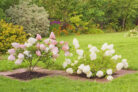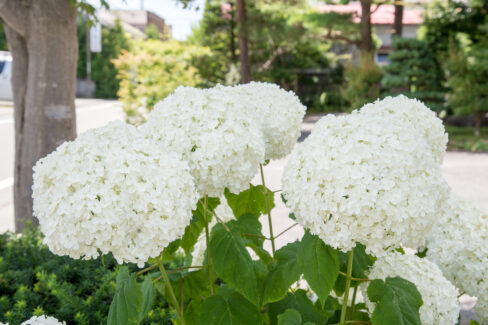
A hydrangea tree—or “standard,” as we pros call it—is a total showstopper. It takes those gorgeous blooms we all love and lifts them up to eye level, creating a stunning focal point for your yard. The best part? You don’t have to be a master gardener to grow one yourself. You just need to understand how these beauties grow and how to keep them in shape.
How a Hydrangea Standard is Created
Left to their own devices in the right spot, most hydrangeas will naturally grow into a large, bushy shrub. While shrubs are great, they can take up a ton of real estate in your garden. A hydrangea tree, on the other hand, has a much smaller footprint and really puts those flower heads on a pedestal.
You’ve got two main ways to get one: buy it or DIY it. If you pick one up at your local nursery, it’s often a “grafted” plant. This means a hydrangea was physically joined onto a sturdy trunk (which might not even be a hydrangea trunk!). If you go this route, just keep in mind the trunk might have slightly different care needs than the flowers on top. Your other option? Training and pruning a young hydrangea yourself.
Pruning and Caring for Your Hydrangea Tree
If you’re training your own tree, the goal is to clear away the lower side branches to encourage a single, strong trunk with a lush, rounded canopy. It’s not a “one and done” job, though—you’ll need to keep up with pruning to make sure your tree doesn’t try to revert back into a bush.
Here’s your game plan for pruning in March:
- Pick a dry day when there’s no frost in the forecast.
- Use sharp, sterilized pruning shears to prevent disease.
- Trim back any new growth or “suckers” appearing on the main trunk.
- Thin out the canopy to encourage fresh growth and better airflow.
- Snip off any dead wood or branches that are crossing over each other.
Once the weather warms up, keep those shears handy! You’ll want to prune away any little shoots that pop up along the trunk throughout the season to keep that “tree” look clean. Starting in the spring, make sure you’re using a good fertilizer and keeping the soil consistently moist. And don’t forget to keep an eye on your soil’s pH level—it’s the secret sauce that determines your hydrangea’s bloom color!