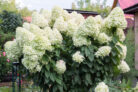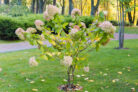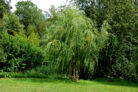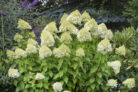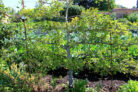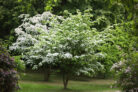
Most of us know panicle hydrangeas as those gorgeous, bushy shrubs with tons of side branches that explode into a sea of blooms every summer. But here’s a pro tip for my fellow garden lovers: if you’re a fan of that “tree-style” look—like you see with standard roses or topiary shrubs—you can actually train your panicle hydrangea to grow on a single trunk!
Training Your Panicle Hydrangea into a Tree (Standard)
If you want to create a hydrangea tree, you’ll want to start the process right when you first put it in the ground. It does take a few years of patience and some regular pruning to get that perfect shape. Even if you have an older hydrangea, you can still convert it into a single-stem plant, though it requires some pretty radical “tough love” pruning done in stages. Here’s the game plan:
- The initial planting cut
- Shaping in the second year
- Optional summer maintenance
- Ongoing shaping in the following years
The Planting Cut
The journey begins in late fall right after you’ve planted your new hydrangea. Pick out the strongest, straightest shoot coming from the ground—this is your future trunk. Snip off all the other side branches. If your main stem has branches at the top, prune those back to just two or three “eyes” (nodes), but leave the main leader (the tip of the trunk) alone for now.
Shaping in Year Two
The following spring, before the new growth starts, clear off any side shoots that have popped up above the first set of buds. Now, decide how tall you want your “tree” to be and trim the main trunk to that height. A good rule of thumb is to make your cut just above the highest set of branches, right above the third bud.
Summer Maintenance
If you’re feeling ambitious, you can do a little cleanup after the blooming season. Just snip off any stray twigs growing out of the sides of the main trunk. It’s not strictly necessary, but it keeps things looking tidy!
Long-term Shaping
To keep that beautiful tree silhouette, you’ll need to do a maintenance prune every year in early spring. Cut back the branches that flowered last summer right at the base. Any small twigs growing directly off the trunk should be trimmed back to about 4 inches. By now, you should see some strong “scaffold” branches forming at the top; leave these a bit longer to help the crown develop a nice, full shape. Keep clearing off any new growth on the main trunk every year to make sure that “standard” look really stands out.
One last piece of advice: hydrangea trunks are pretty flexible and fragile in those early years. A strong wind or a rogue lawnmower can easily snap your hard work in half! Give your future tree a sturdy wooden stake for support. Use something soft like coconut fiber rope to tie it—it’s gentle on the bark and won’t choke the stem as it grows.