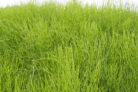
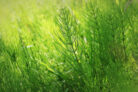
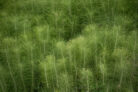
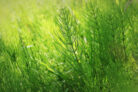
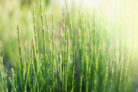
Most gardeners know horsetail as that stubborn weed that just won’t quit. But if you take a closer look at this plant’s profile, you’ll find it’s actually way more versatile than you’d think. Let’s dive into the world of horsetail and see what makes it tick.
Botanical Facts: Meet the Horsetail
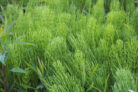
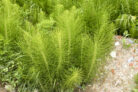
Horsetail (Equisetum) goes by a lot of nicknames. You might have heard it called “scouring rush,” “shavegrass,” or most commonly, “pewterwort.” It belongs to the Equisetaceae family and is actually a close relative of ferns. This plant is a true survivor—it’s been around since prehistoric times and has adapted perfectly to our modern world. You’ll mostly find it across the Northern Hemisphere, Japan, and the tropics. There are about 15 to 20 different species out there.
Good to Know: Horsetail in Your Garden
For most of us, horsetail is an uninvited guest in the garden, and not exactly a popular one. However, some folks grow it on purpose as an ornamental or even a functional plant. For example, it can be a total lifesaver or a great natural fertilizer for your roses. Here are a few more quick facts:
- Depending on the species, it can grow up to ten feet tall.
- It loves heavy soil or a nice spot right by a pond.
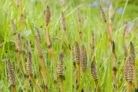
- It doesn’t produce flowers; instead, it grows spore cones.
- You’ll usually see these cones popping up between late April and June.
- Horsetail spreads via spores or through deep, underground runners.
- Once it settles into your garden, it’s notoriously hard to get rid of!
How to Use This Plant
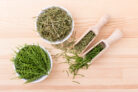
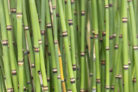
Field horsetail is actually edible and has a long history as a natural remedy for things like inflammation or rheumatism. Because it’s packed with silica, it’s a go-to ingredient for natural medicine and skincare. Those old-fashioned nicknames I mentioned earlier? They also come from that silica content. It forms tiny crystals that give the stems a rough, sandpaper-like texture—which is why people used to use them to scrub pewter and dishes. Just a heads-up if you’re planning to forage: be very careful! Many species are toxic and definitely not safe to eat.
Other varieties are favorites for landscaping. The evergreen water horsetail is great for adding a pop of color to your garden during the winter, and certain types are perfect for dressing up the edge of a pond. You can also grow it in pots without much trouble, though you’ll want to make sure it overwinters in a frost-free spot.