Even with the best TLC, our favorite orchids can sometimes fall victim to pests or fungal infections. It’s frustrating, I know! But don’t worry—I’m going to show you how to spot these dreaded fungi and treat them like a pro. With a little know-how, your orchid will bounce back stronger and more vibrant than ever.
Common Orchid Fungal Infections
When it comes to fungal issues, there are two main culprits you’ll likely run into:
- Black Spot Disease
- Powdery Mildew
Black Spot Disease
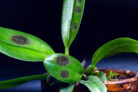
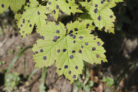
Black spot is definitely one of the scarier infections for orchid lovers. It spreads like wildfire, so you have to act fast! In the early stages, you’ll notice tiny brown or black spots popping up on those lush green leaves. If left unchecked, these spots will grow and merge until the entire leaf is taken over.
First things first: quarantine! Move your infected orchid away from your other plants so it doesn’t spread. Next, grab a pair of sterilized garden shears or a sharp knife and snip off any infected leaves. A great DIY remedy is a simple paste made of water and cinnamon—it’s surprisingly effective against leaf spot. Just spread the paste over the affected areas of the plant.
If you want to try another natural route, garlic water works wonders. Crush five cloves of garlic, pour boiling water over them, and let it steep for about four hours. Strain the liquid into a spray bottle and give your orchid a good misting.
Dealing with Powdery Mildew
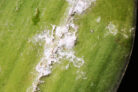
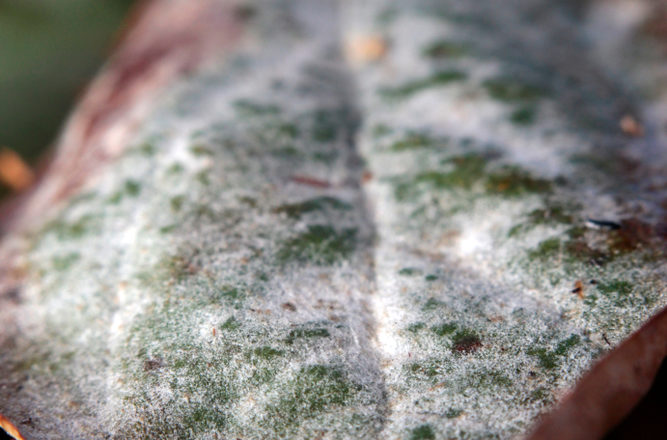
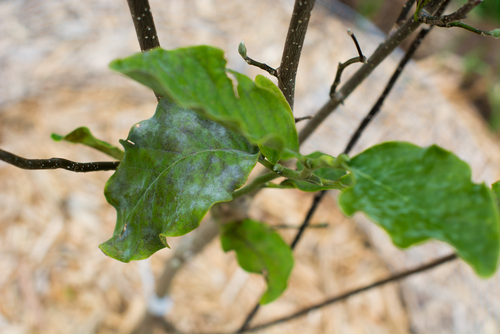
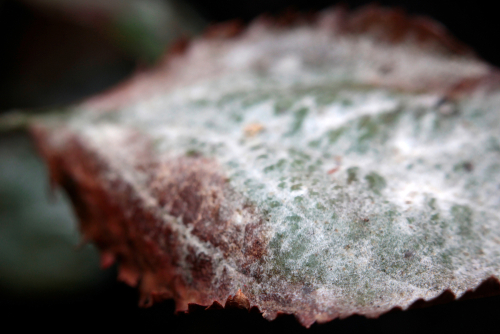
Powdery mildew is another fungal headache. You’ll recognize it by a dusty, grayish-white coating that looks like a dusting of flour on the plant’s surface.
Be careful not to confuse this with a pest infestation, though. Mealybugs also leave behind a white, cottony residue. A quick tip: if the white stuff wipes off easily with a cloth, you’re likely dealing with bugs rather than a fungus.
Powdery mildew is also frequently mistaken for mold. Mold usually happens because of overwatering or soggy potting mix, and you’ll mostly see it on the surface of the bark or the aerial roots. Powdery mildew, on the other hand, prefers to hang out on the leaves.
The Good Guys: Fungal Symbiosis
Believe it or not, not all fungi are the “bad guys.” Orchids actually have a very cool relationship with a specific type called Mycorrhizal fungi. This is a symbiotic partnership that’s actually essential for orchid seeds to germinate. The orchid gets a head start on life, and in return, the fungus gets to share in the nutrients the orchid produces through photosynthesis. Nature is pretty amazing, right?