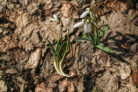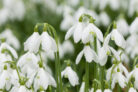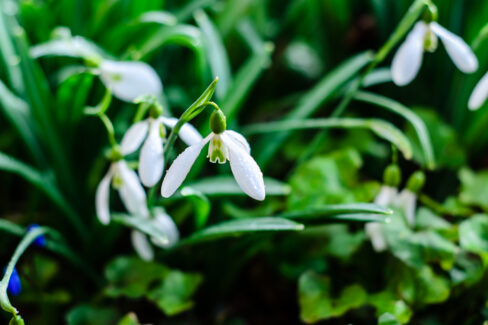
Even before the last of the snow has melted, snowdrops start poking their heads out of the soil, their delicate white bells signaling that spring is just around the corner. Each plant produces a single flower, which eventually turns into seeds once the blooming season is over.
Snowdrop Seeds
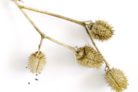
Those seeds develop inside a small, green capsule that forms right where the flower used to be. By around April, these seed pods are ripe and ready. If you crack one open, you’ll usually find anywhere from 18 to 36 seeds inside. Here’s what they look like:
- A light brown color
- A roundish shape
- Smooth skin
- About 3.5 mm in size (roughly 1/8 of an inch)
If you aren’t planning on propagating your snowdrops, it’s a good idea to snip off those seed pods as soon as they form. This helps the plant save its energy and store it back in the bulb for a spectacular show next year.
Using Seeds for Propagation
If you do want to grow more snowdrops from seed, just leave one or two pods on the plant to ripen. Keep in mind that these seeds are “cold-germinating” and “dark-germinating.” This means they need a chilly period (about 4 weeks at temperatures between 25°F and 40°F) to wake up, and they need to be covered with a thin layer of soil.
The easiest way to do this is to sow the seeds directly in a suitable spot right after you harvest them. Just keep the soil moist, and let the lingering winter chill do the hard work for you. Alternatively, you can give them their “winter” in the fridge before planting them in pots filled with potting soil. Again, keep the soil damp but be careful not to overwater—nobody likes soggy feet! After about 4 to 6 weeks of germination, move the pots to a shady, cool spot until autumn. Once fall rolls around, your little plant babies are ready to go into the ground. Just a heads-up: avoid planting them near conifers, as snowdrops aren’t fans of the acidic soil found under evergreens.
If you decide to let nature take its course, you’ll actually get a helping hand from ants! Ants love the sweet, nutritious attachment on the seeds (called an elaiosome). They’ll carry the seeds back to their nests, eat the snack, and leave the seed behind to sprout in a brand-new spot. Nature is pretty cool, right?