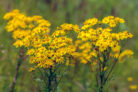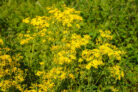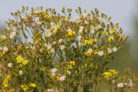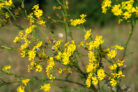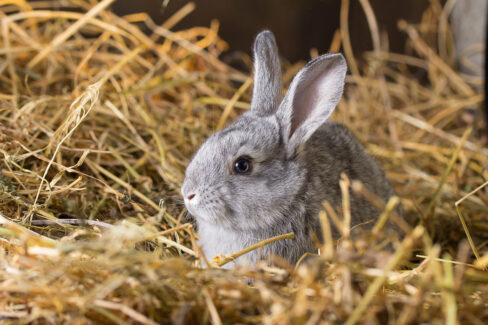
You’ve probably seen those bright yellow flowers popping up in pastures lately—that’s Tansy Ragwort. While it looks pretty, it’s a major headache for farmers because it often ends up in the hay used to feed horses, cattle, and rabbits. For horses and cows, this stuff is incredibly toxic. But here’s a fun fact: rabbits actually love snacking on it!
Tansy Ragwort is Safe for Your Bunnies
As a pet parent, you might be worrying about whether that bag of store-bought hay is actually safe for your little furball. It’s a valid concern! Once Tansy Ragwort is dried out, the plant parts are really hard to spot in a bale of hay.
The good news? If you own a rabbit, you can breathe a sigh of relief. This plant is totally safe for them. Even if their diet consisted almost entirely of hay containing Tansy Ragwort, their livers wouldn’t show any signs of damage. And it’s not just bunnies—other small rodents can munch on it without a worry, including:
- Guinea pigs
- Hamsters
- Gerbils
Why Can Rodents Handle the Toxins?
Scientists think that rodents process the toxic compounds in Tansy Ragwort differently in their stomachs compared to cattle and horses. To give you an idea of the danger for larger animals, just 40 to 80 grams can be fatal for a horse. Even in small amounts over time, the toxins build up in the livers of horses and cows, leading to chronic poisoning and, eventually, death.
However, studies on hamsters and rabbits show that their liver enzymes stay perfectly normal even after months of eating the plant. Interestingly, if the toxin is injected directly into their bloodstream, they would get sick, but when they eat it, their digestive system handles it like a champ.
Bunnies as Natural Weed Control
Because rabbits actually prefer the taste of this weed, they can be a great secret weapon for managing pastures. Letting rabbits graze in areas where Tansy Ragwort is taking over can help keep the plant from spreading. It’s actually a bit of a bummer that wild rabbit populations have declined so much lately; otherwise, they’d be doing a lot of the heavy lifting to keep this toxic weed in check naturally!