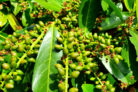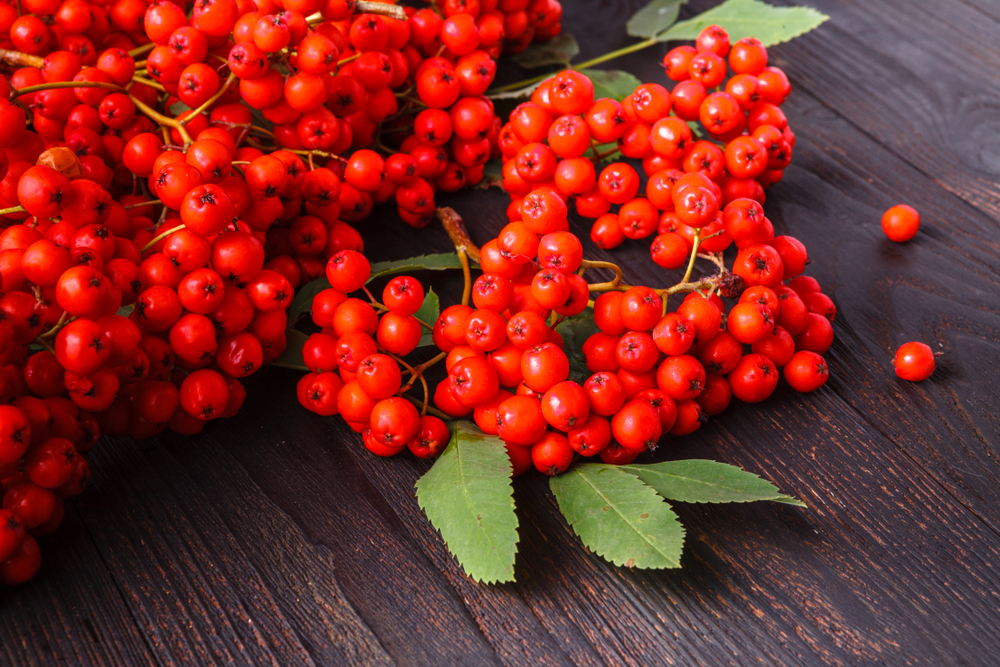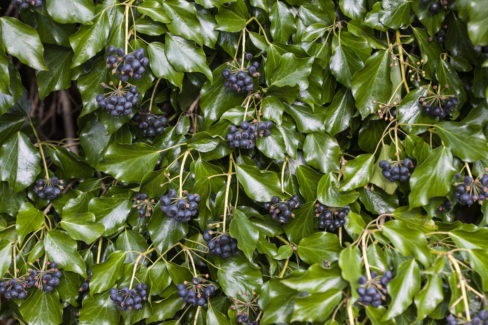
Once ivy plants move past their “teenage years” and reach maturity, they finally start to bloom. This is inevitably followed by berries that look a lot like something you’d want to snack on. However, the fruits of the ivy plant (botanically known as *Hedera*) are anything but a sweet treat from nature. Let’s dive into when they ripen and what’s actually inside them.
Mature Form and Ripening Time
When ivy is young, it spends its energy climbing up any trellis or support it can find, or it spreads across the garden bed as a groundcover. During this stage, the plant focuses entirely on growing new vines and doesn’t bother with flowers or fruit. You usually won’t see the first blooms until the plant is at least ten years old and has reached its “adult” or mature form.
In this mature stage, hardy ivy blooms every autumn, typically in September and October. The berries then develop over the winter months and are fully ripe between January and April of the following year.
What the Berries Look Like
The fruit grows in small, round clusters. Here are a few identifying features:
- Spherical shape
- About 1/4 to 1/3 inch in diameter
- Very lightweight (approx. 0.25g)
- Color varies by variety: white, yellow, dark purple, or greenish-black
- Purple-toned pulp
- Contains one to five seeds inside
Ivy Berries are Highly Toxic!
Even though ivy berries might remind you of currants, you absolutely must not eat them! Just like the leaves, the berries contain toxic substances, but in a much higher concentration. Ingesting them can lead to severe poisoning and can even be fatal. The biggest risk is to small children and pets. If you have little ones or furry friends running around, you might want to think twice about growing ivy as a houseplant or in the garden.
Fruit and Propagation
If you leave the berries on the plant, ivy can self-seed and quickly turn into a weed that is notoriously difficult to remove. To prevent your ivy from taking over, it’s a good idea to prune it back before the fruit has a chance to form. Because of those toxins I mentioned, always make sure to wear protective gloves when handling the plant.
Of course, if you actually want to grow ivy from seed yourself, you’ll need to leave a few spent flowers on the vine so you can harvest the seeds later.
Quick Tip:
When you’re done pruning, it’s best to dispose of the clippings in your green waste bin or trash. If you toss them on the compost pile, there’s a good chance those stubborn aerial roots will take hold and start growing into brand-new plants right there!