Training a Jasmine Bonsai: A Beginner’s Guide
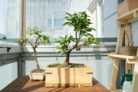
You don’t see jasmine bonsai trees every day, but honestly, they are a hidden gem in the gardening world. Jasmine has all the right traits for bonsai training—it’s hardy, grows quickly, and develops beautiful, dense branching. If you’re looking for a unique project, here’s everything you need to know to get started.
The Best Varieties for Bonsai
While most jasmine plants are pretty adaptable, some varieties are just easier to work with when you’re aiming for that classic bonsai look. Their fast growth and natural branching patterns make them ideal candidates. Here are my top picks:
- Winter Jasmine (Jasminum nudiflorum): Famous for its bright yellow blooms that pop in the winter.
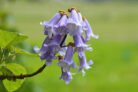
- Pink Jasmine (Jasminum polyanthum): This one gives you those iconic, fragrant white flowers.
- Primrose Jasmine (Jasminum primulinum): Another great yellow-flowering option.
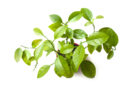
You might also come across Murraya paniculata, often called “Orange Jasmine.” While it’s technically a relative of the citrus family and not a “true” jasmine, it grows and behaves so much like one that it’s a fantastic choice for bonsai enthusiasts.
Pruning Your Bonsai
To keep that miniature shape, you’ll need to be brave with the shears! The best time for a heavy pruning is in the summer, usually around late June or early July. You can cut individual branches back to just two or three nodes. Pro tip: To keep your tree healthy, dab the fresh cuts with a little charcoal or ash to help disinfect the “wound” and prevent infection.
Wiring and Shaping
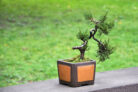
Wiring is how you give your bonsai its artistic character. You’ll want to wrap wire around the branches to gently guide them into the shape you want. It’s best to work with young, flexible shoots; older branches can get brittle and snap if you aren’t careful. Once you’ve wired your jasmine, leave it for about three months. By then, the wood should be “set” in its new position, and you can carefully remove the wire.
Winter Care
If you keep your bonsai outdoors during the summer, remember that most jasmine isn’t fully frost-hardy. To keep it alive, you’ll need to bring it inside for the winter. Find a cool, frost-free spot—ideally around 50°F (10°C)—where it can rest until the spring thaw.
Repotting for Success
Just like any other potted jasmine, your bonsai will eventually outgrow its home. Every couple of years, you should repot the tree. This is the perfect time to trim away any old or dead roots and refresh the soil with a high-quality bonsai mix. This keeps the root system healthy and ensures your little tree has plenty of nutrients to keep blooming!